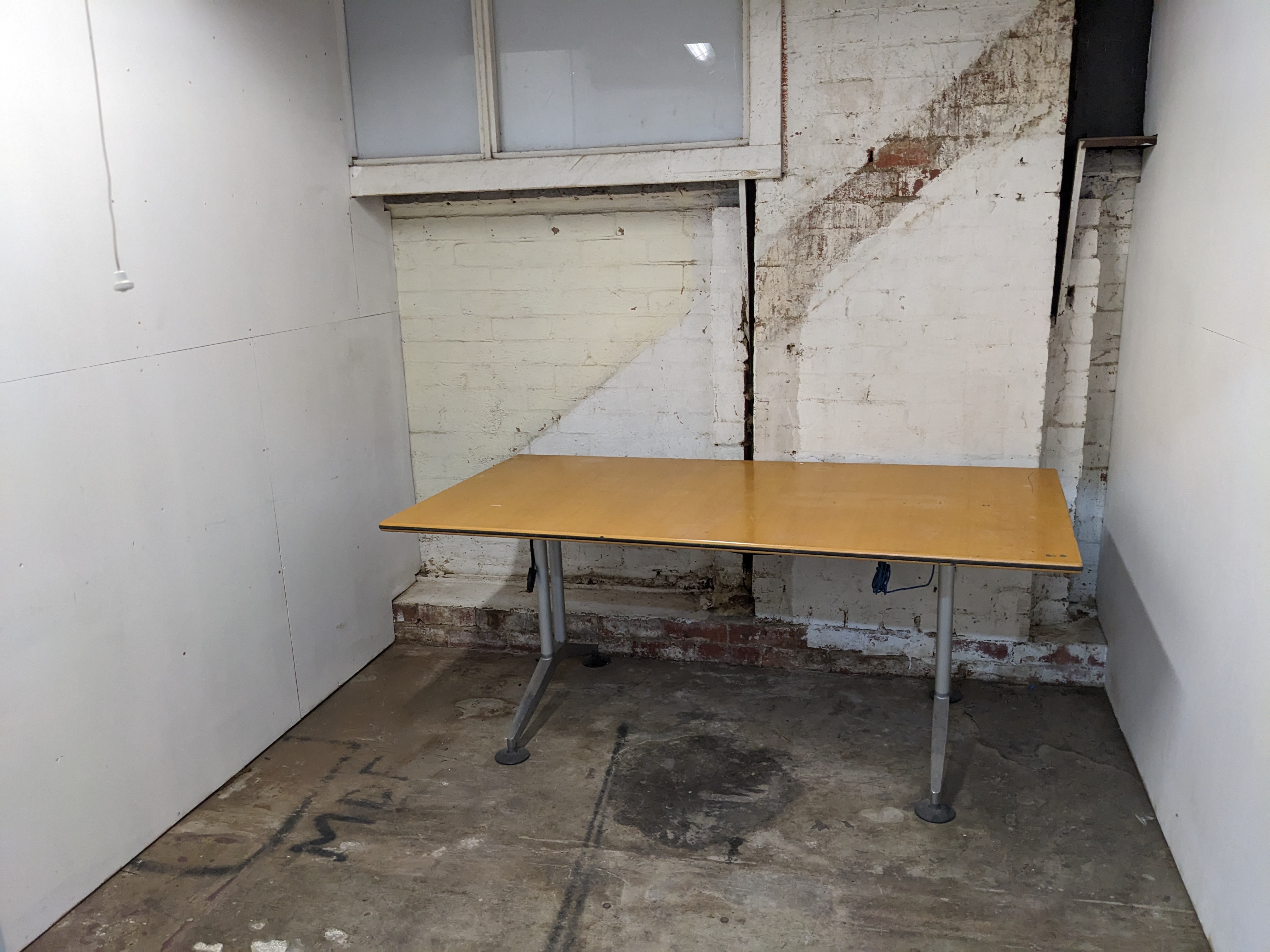
About Barkvox
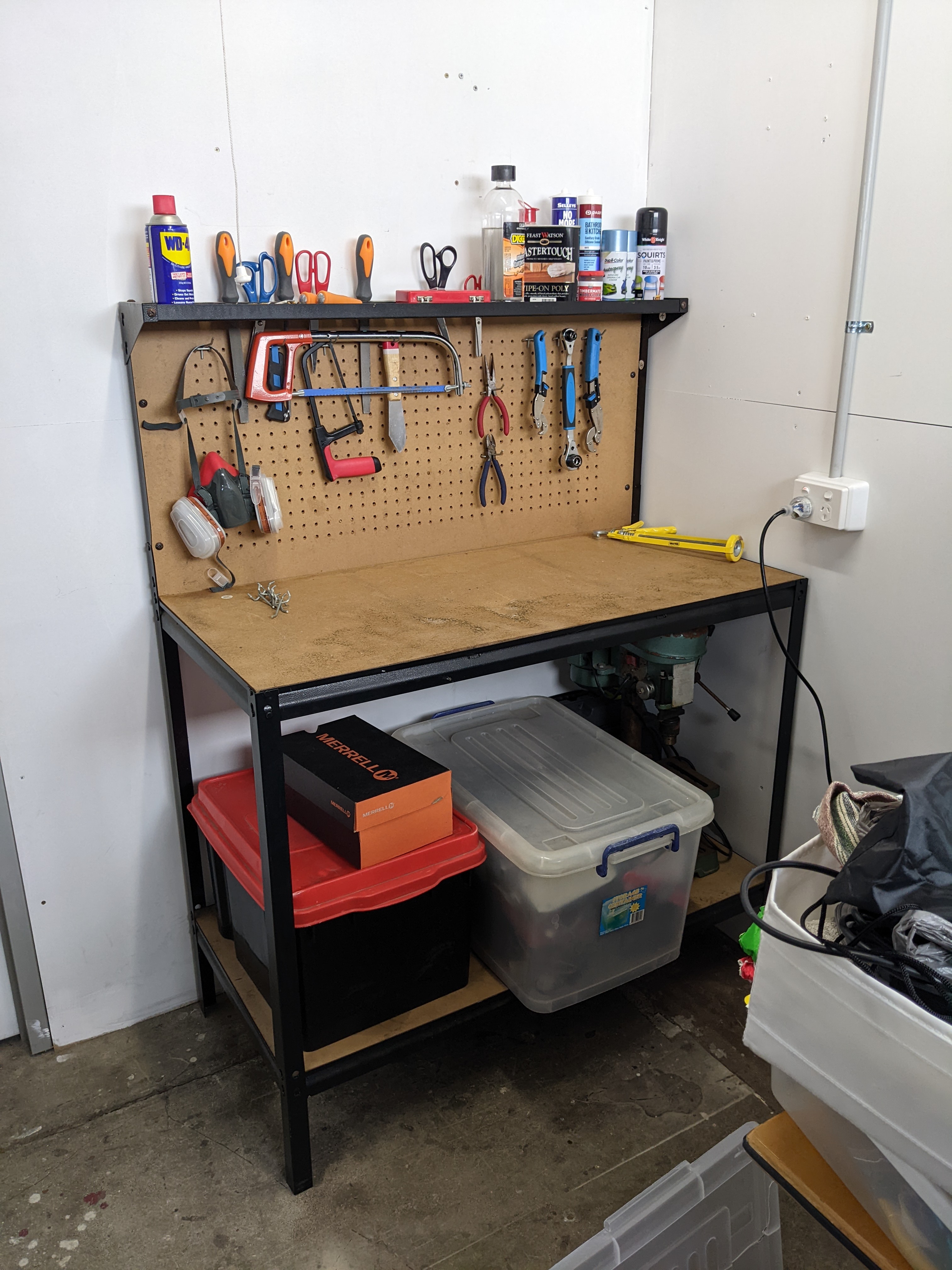
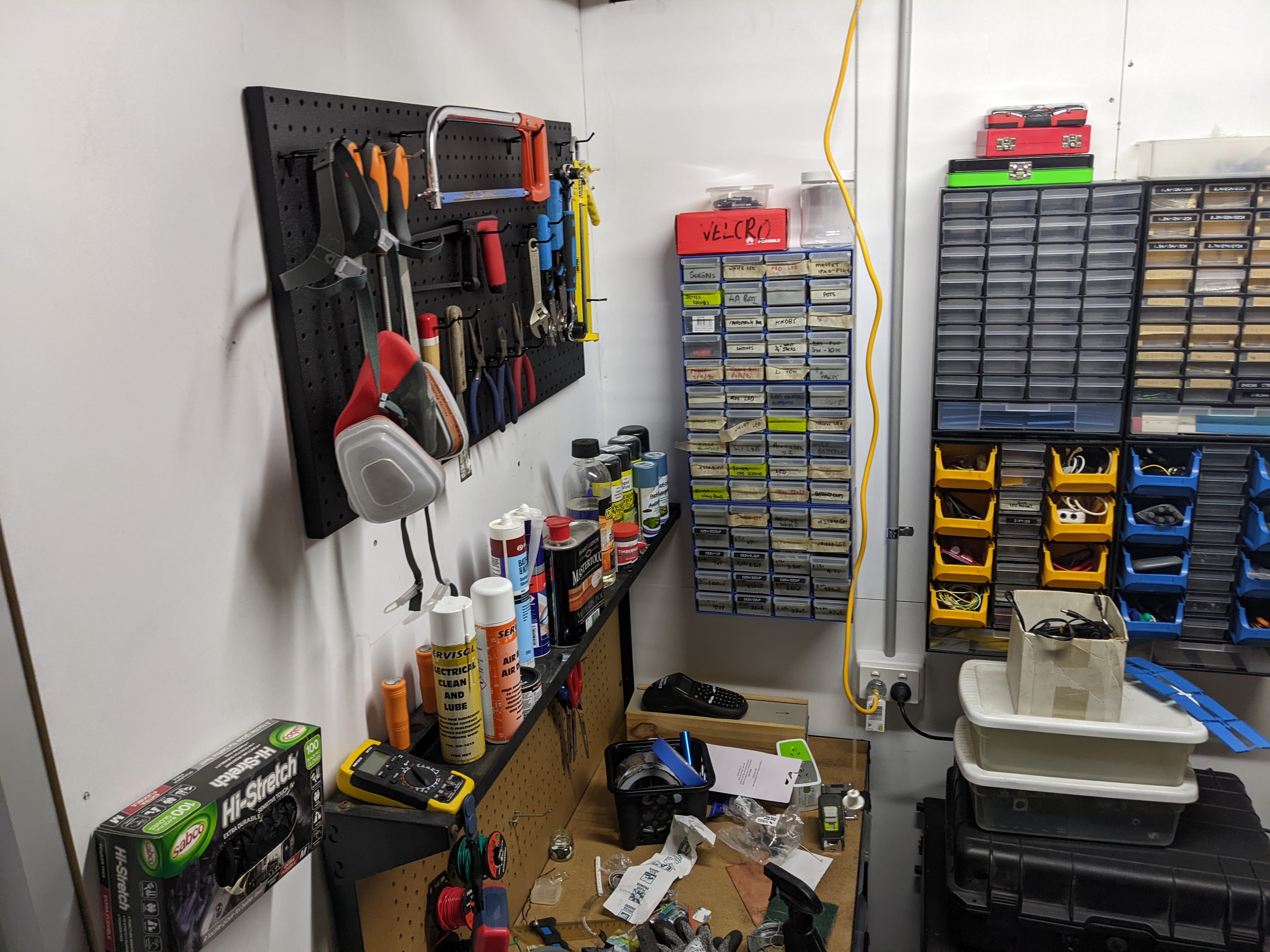
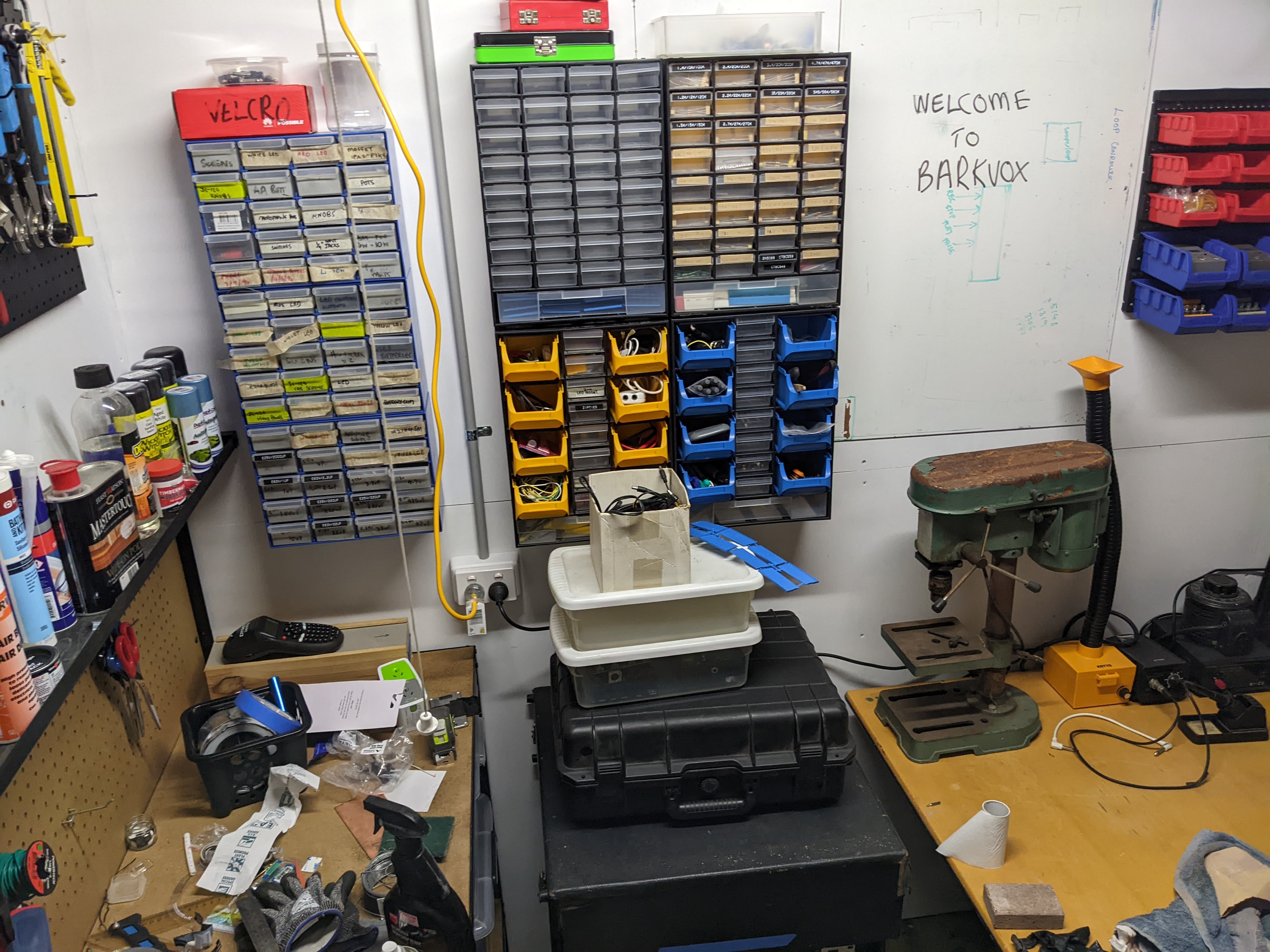
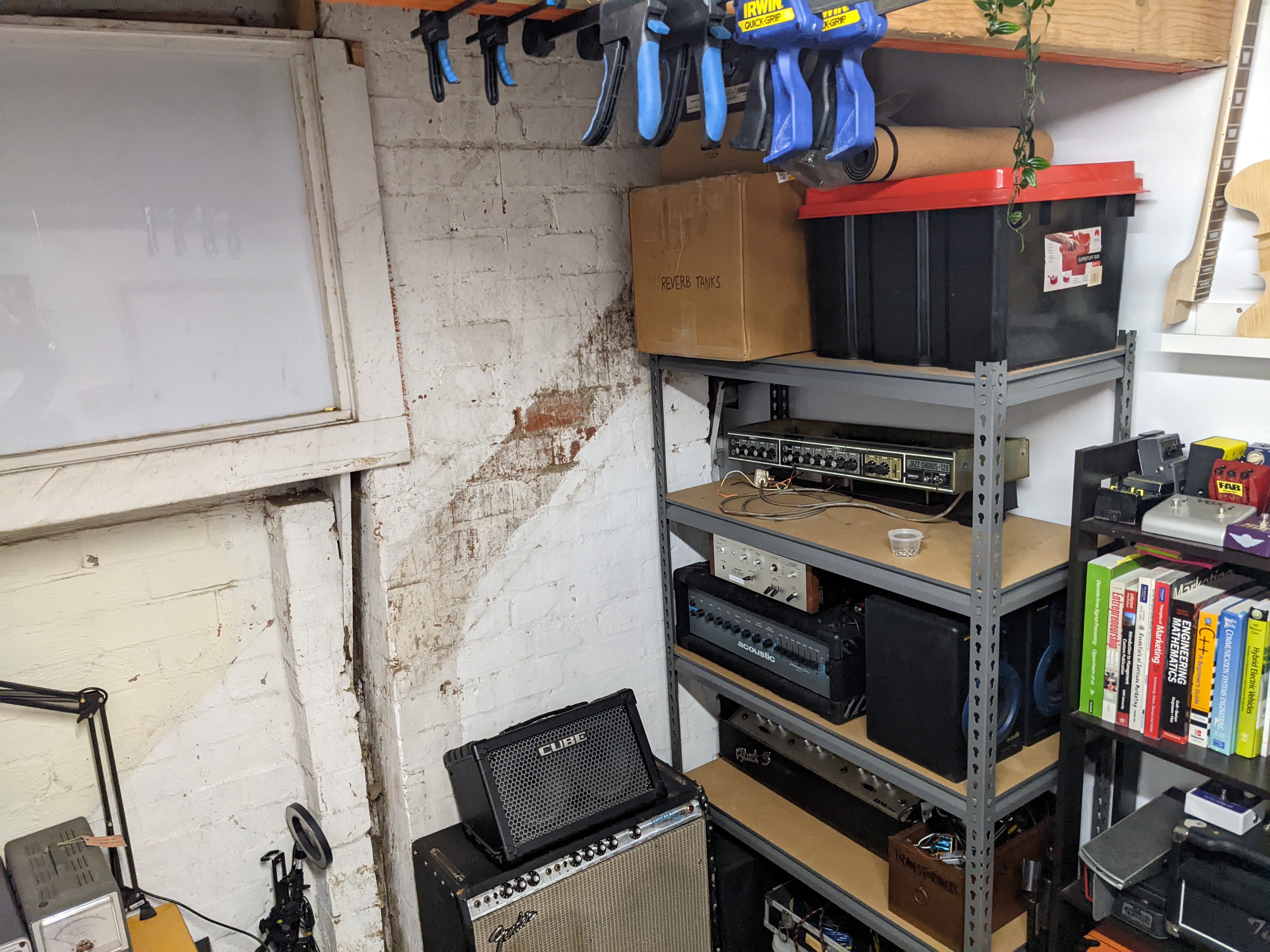
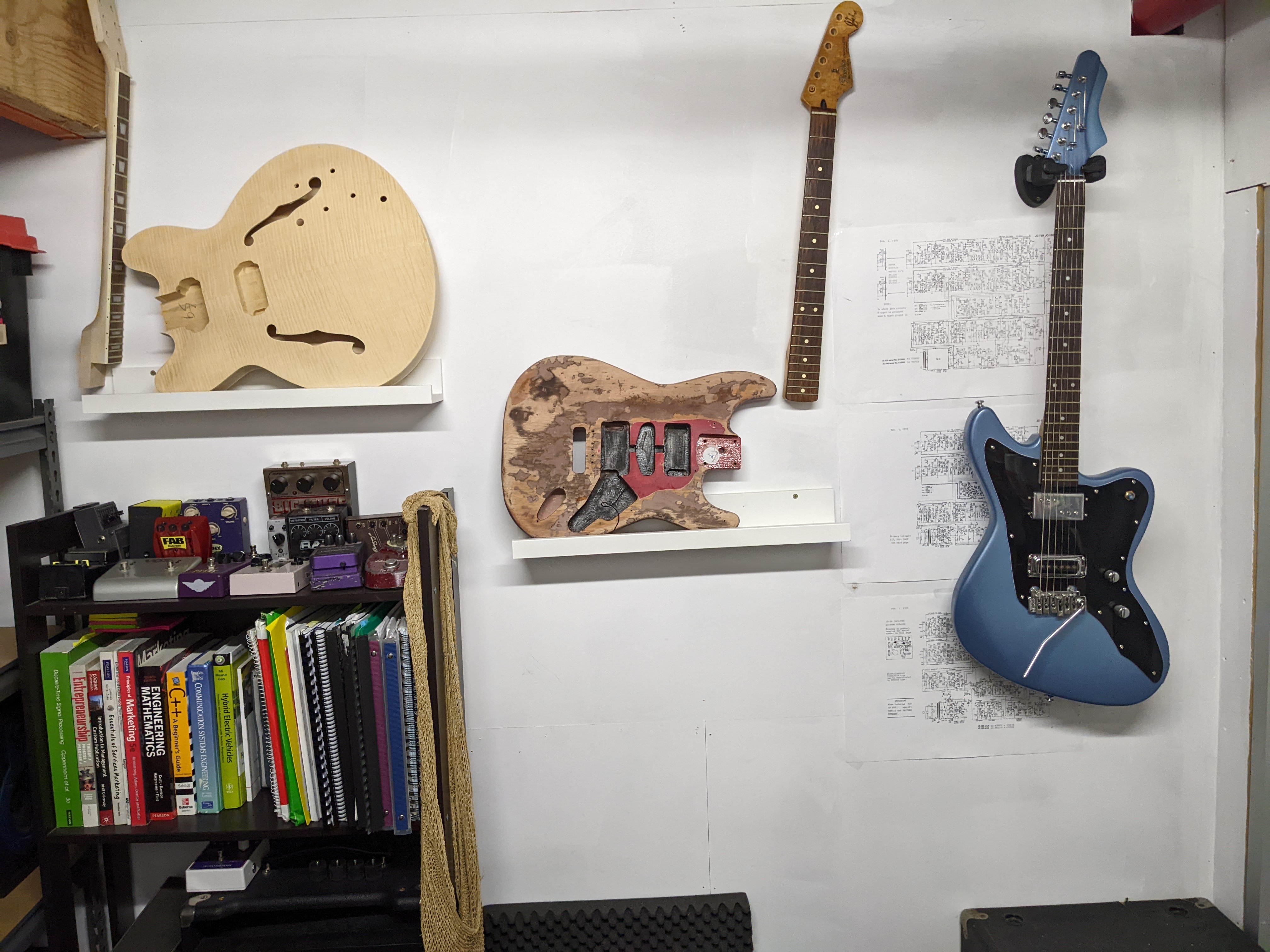
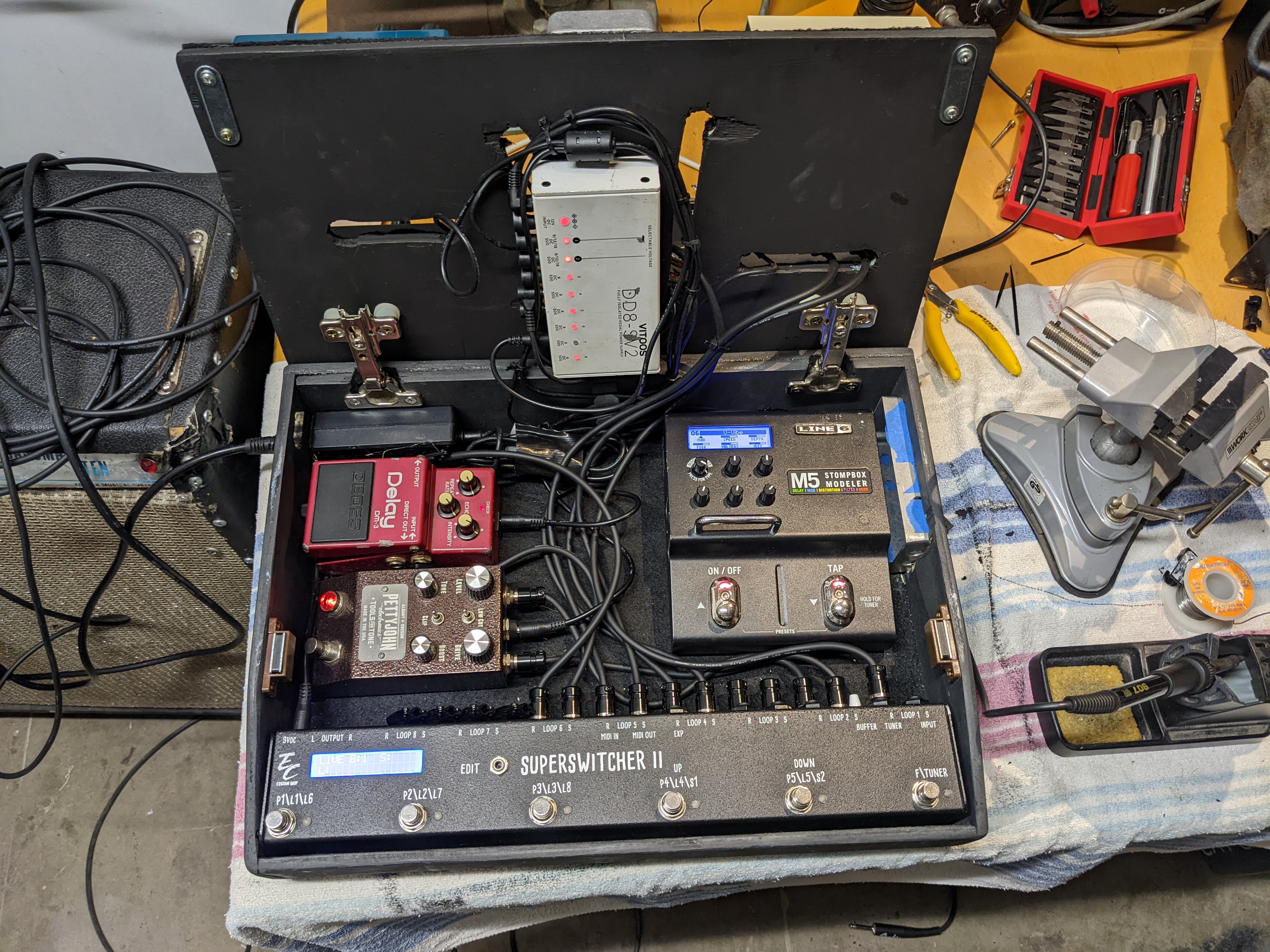
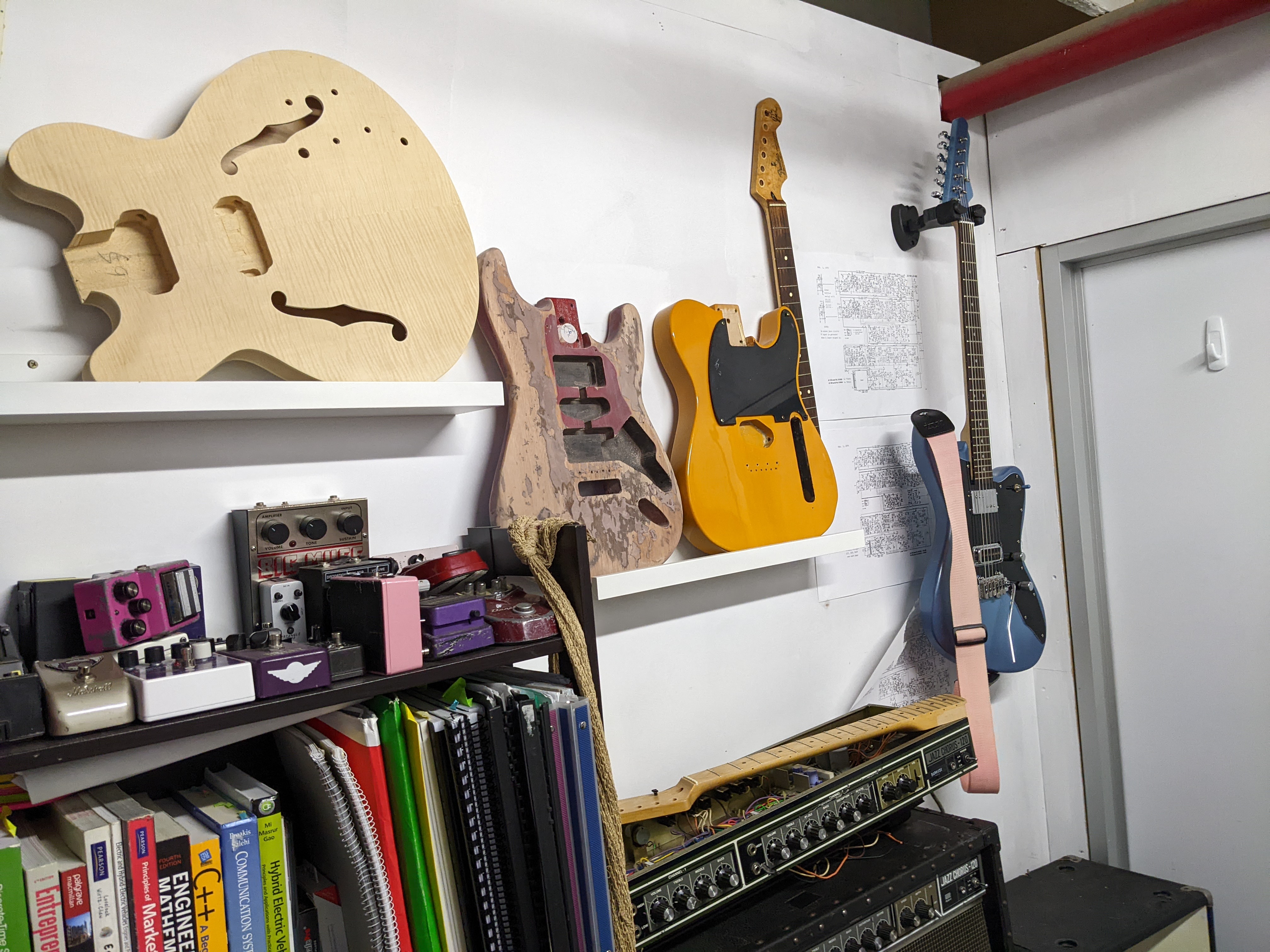
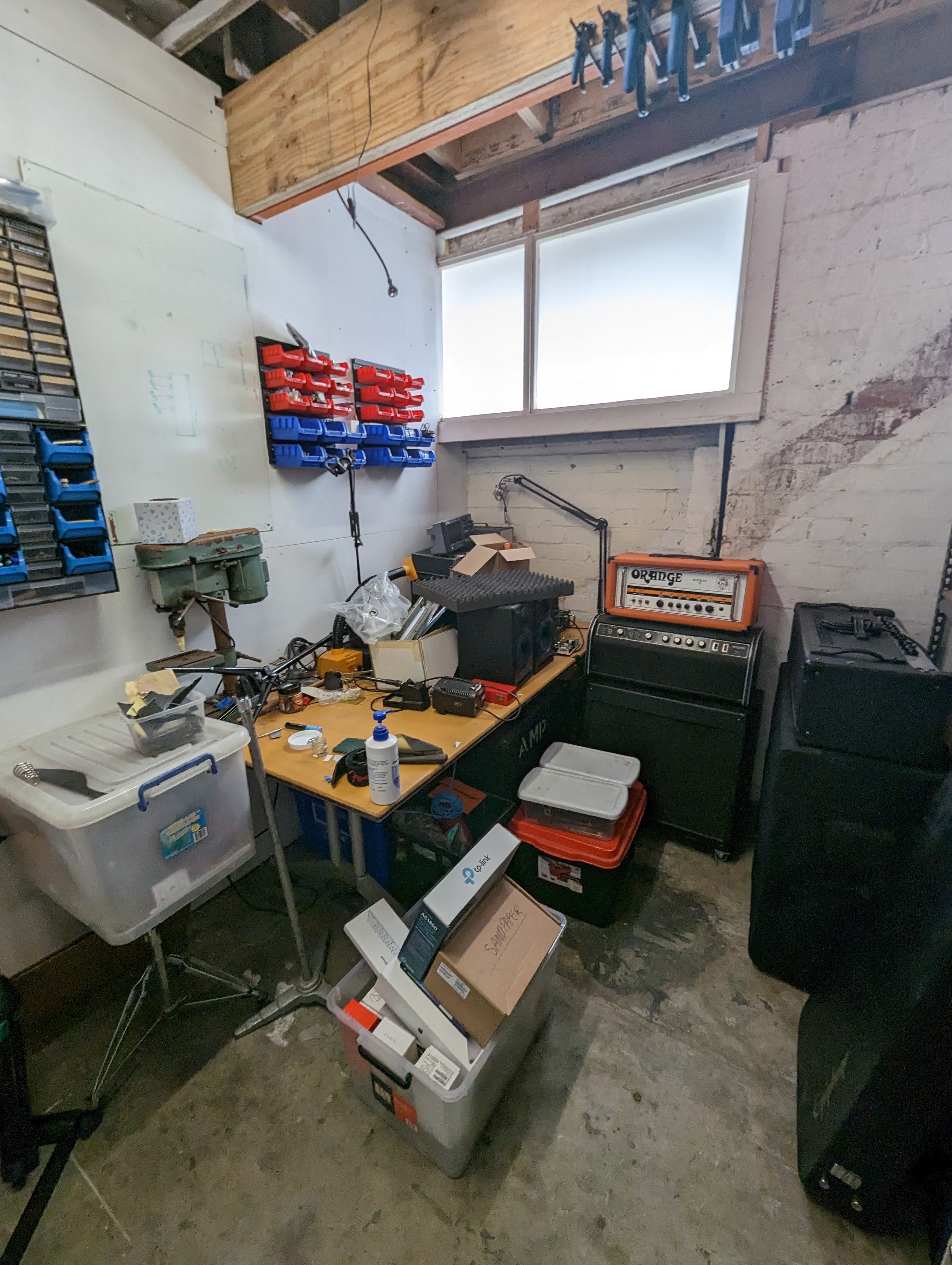
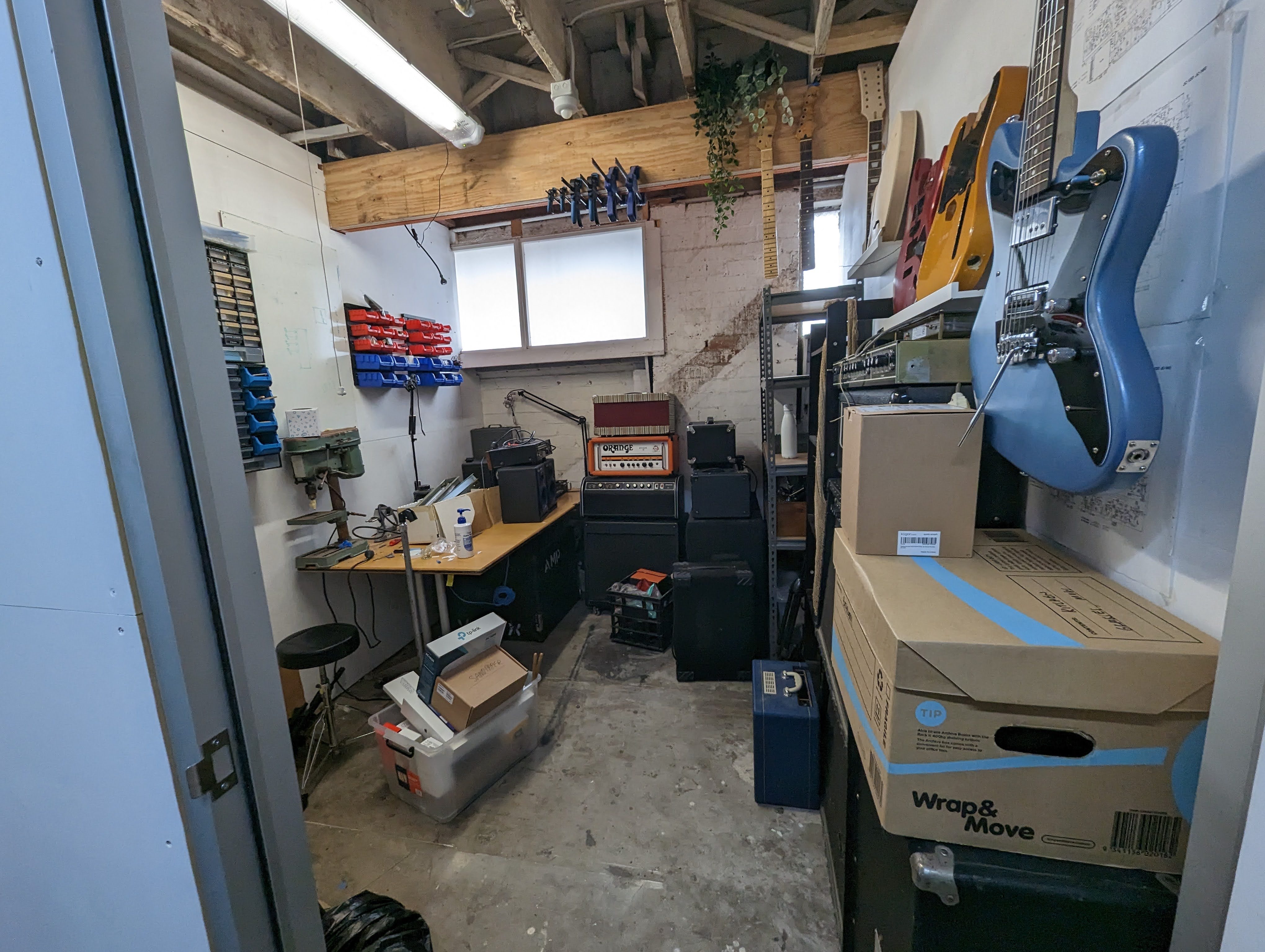
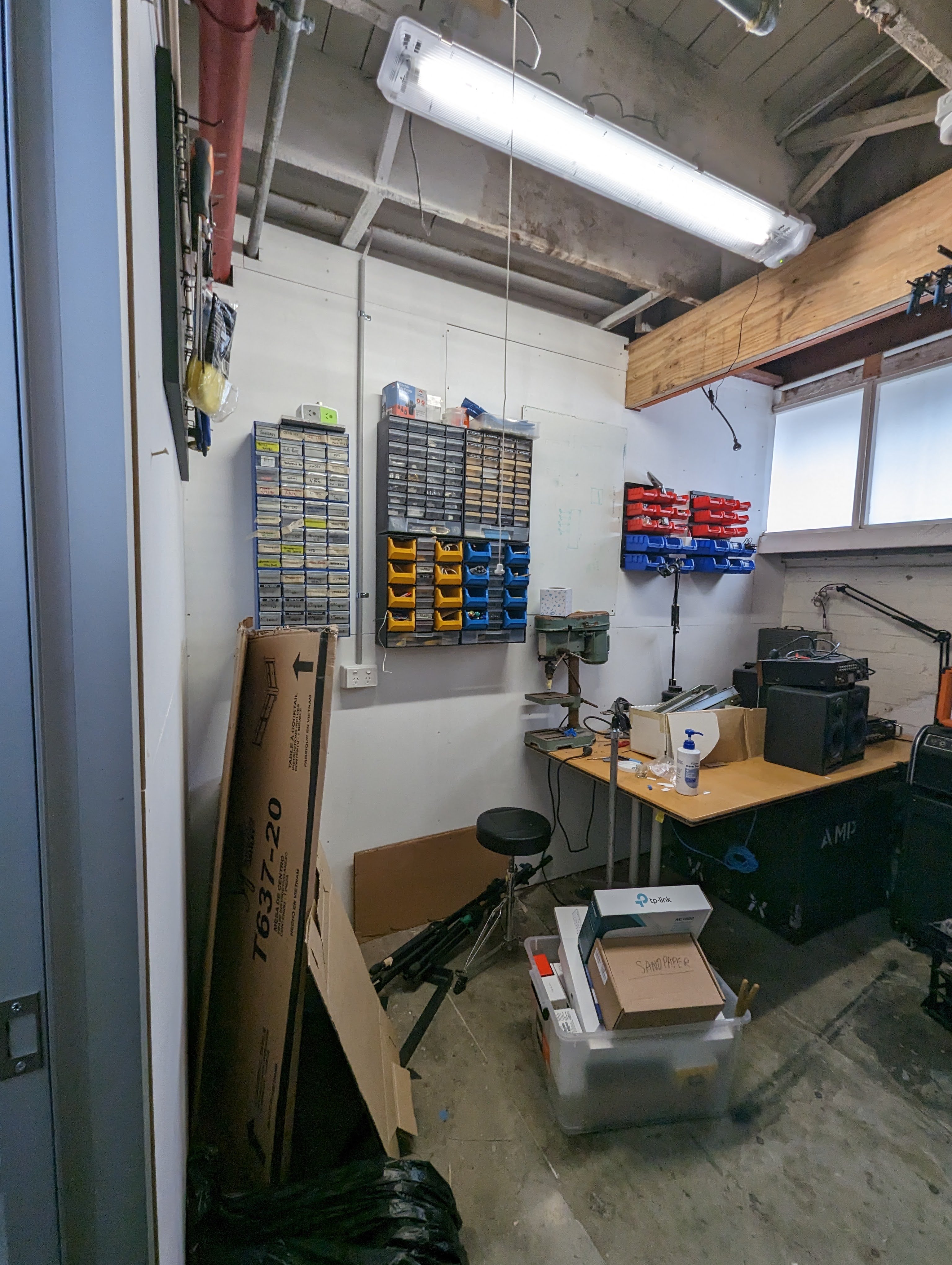
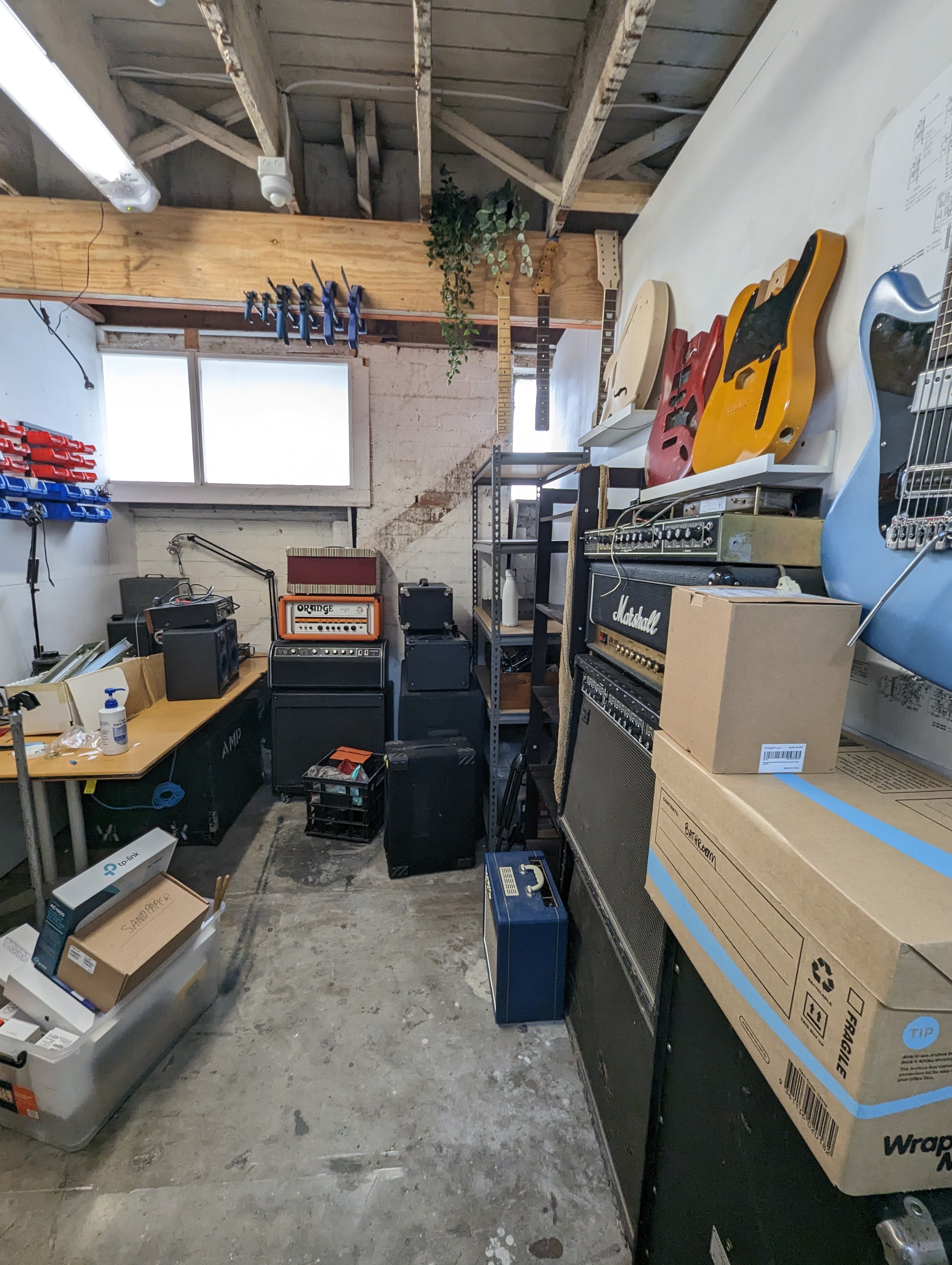
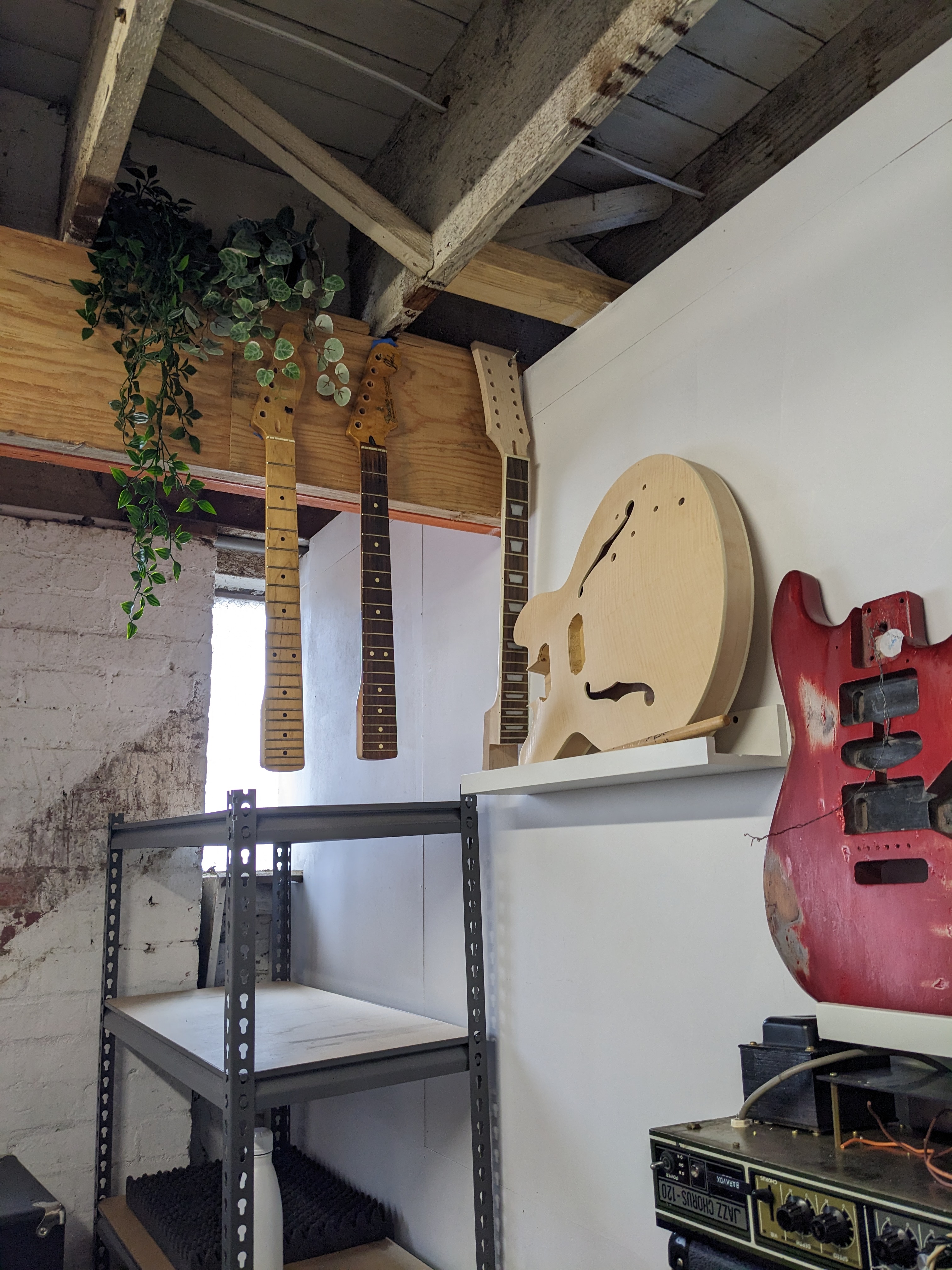
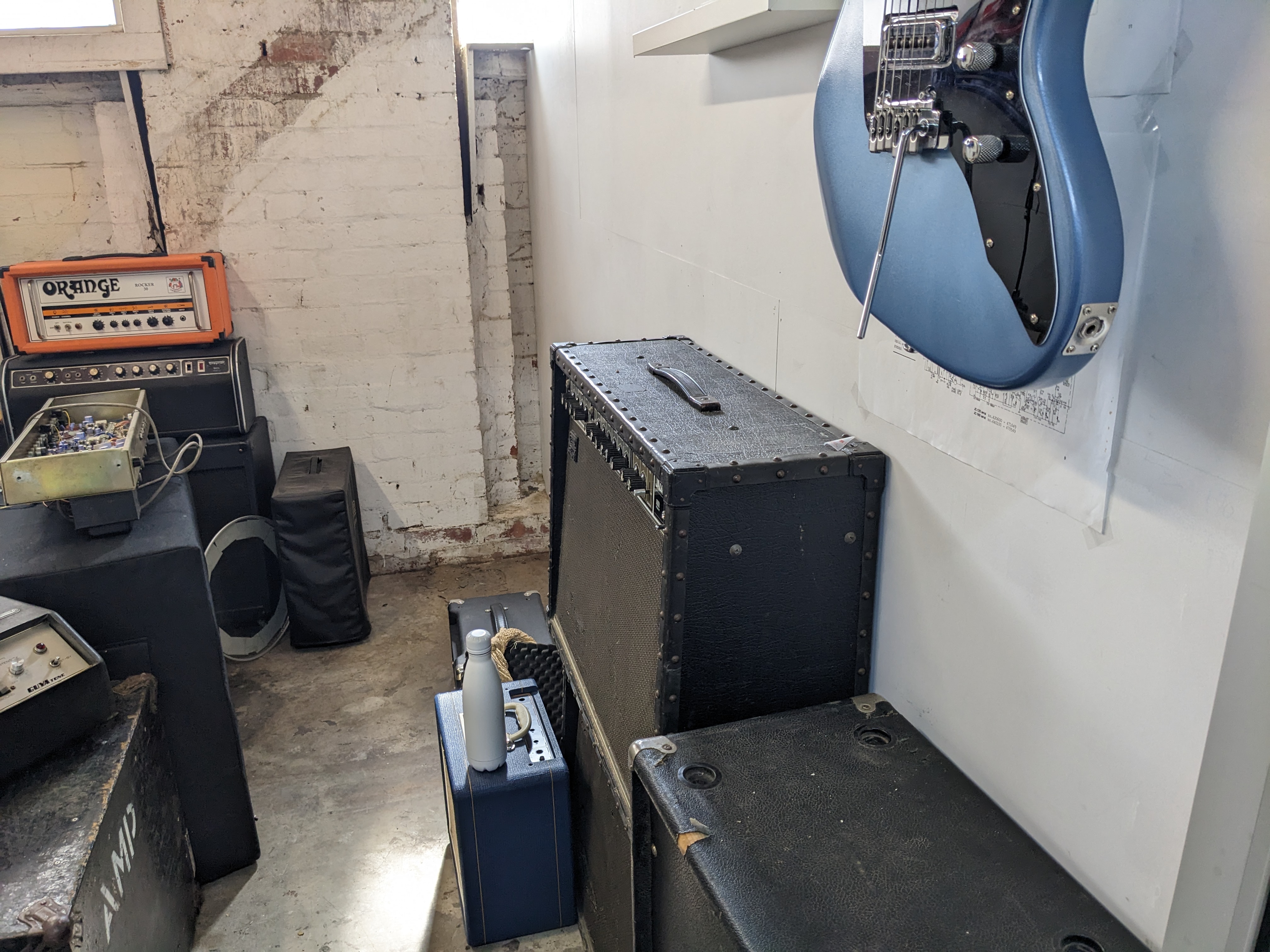
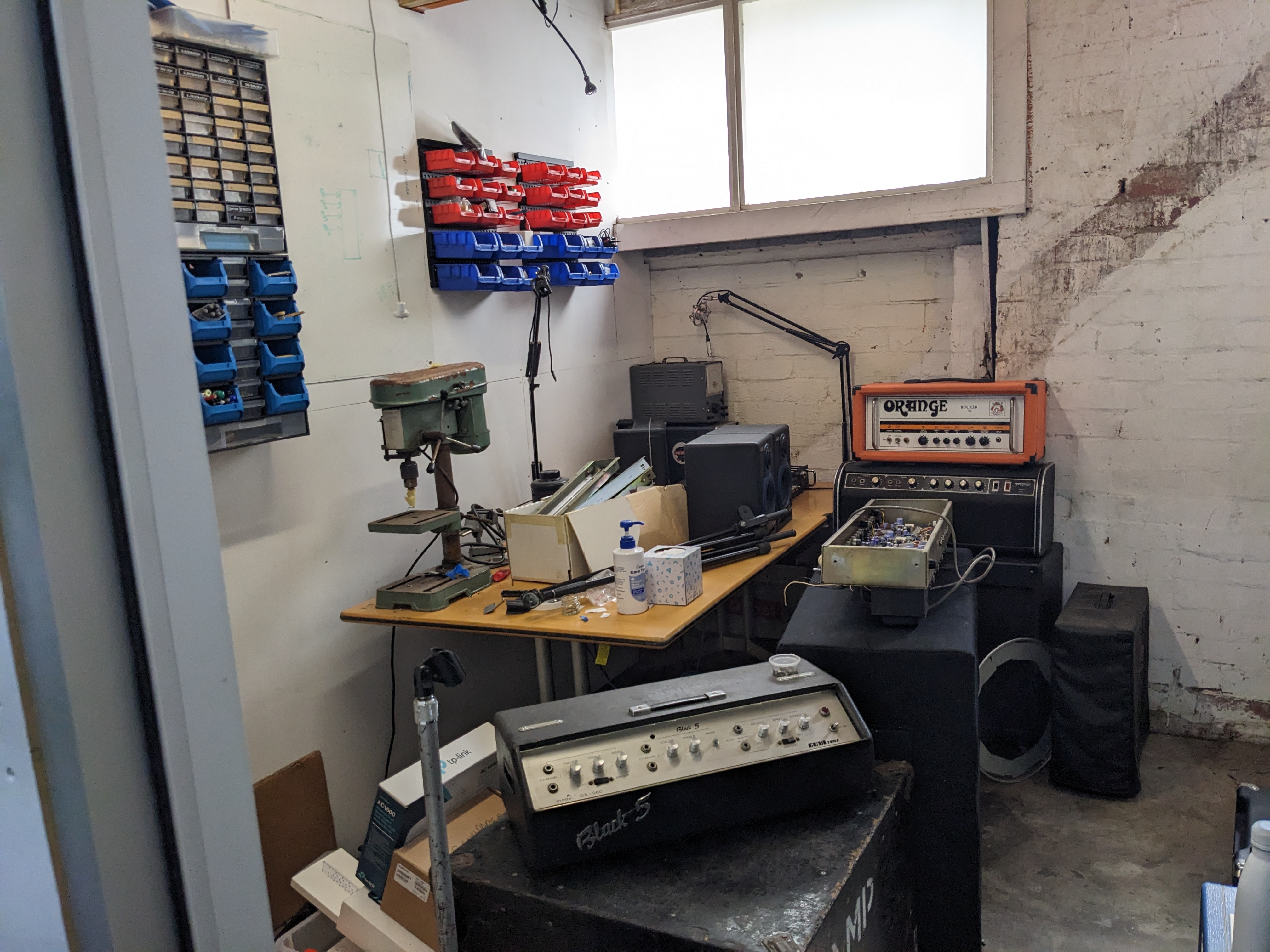
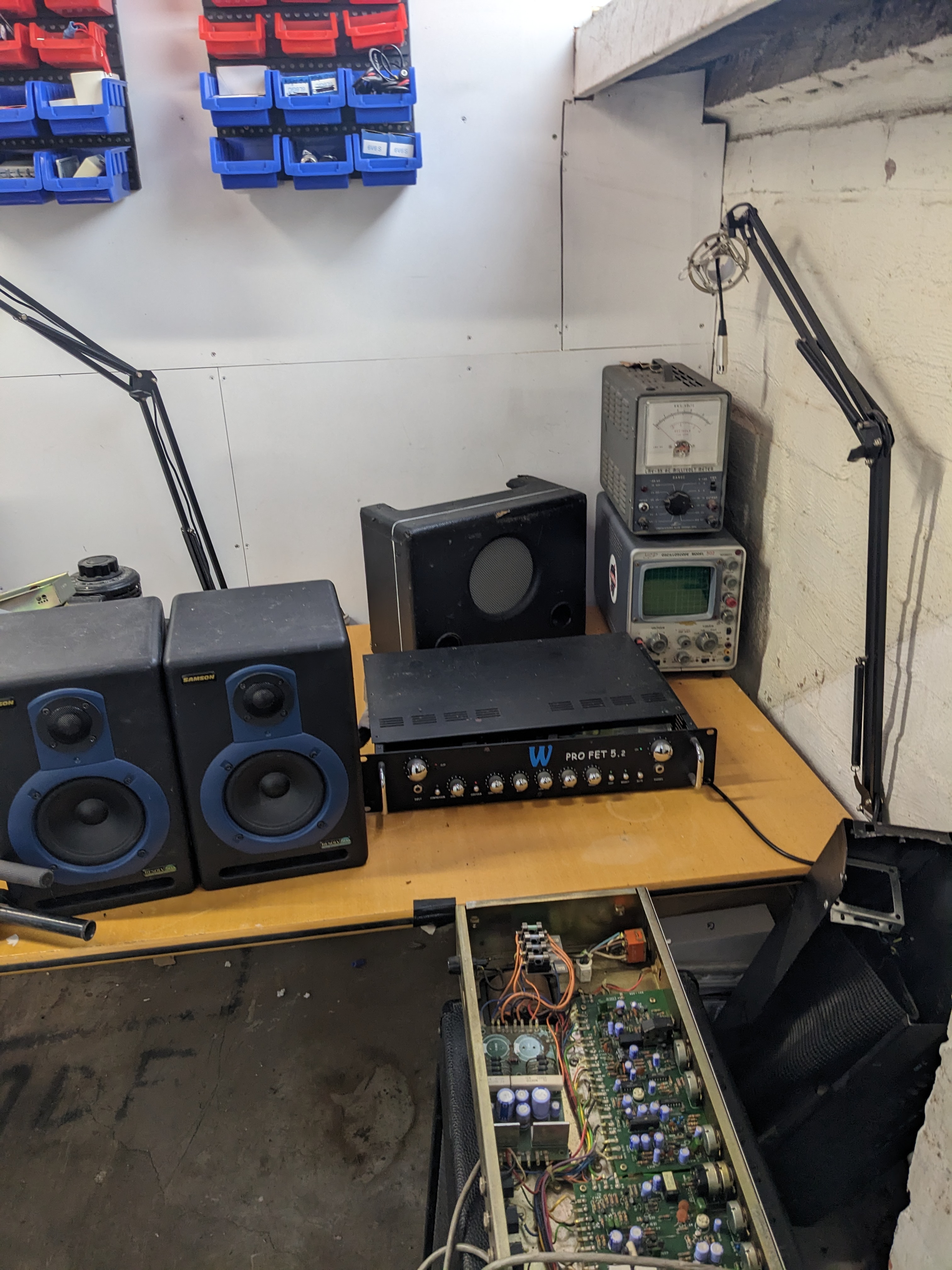
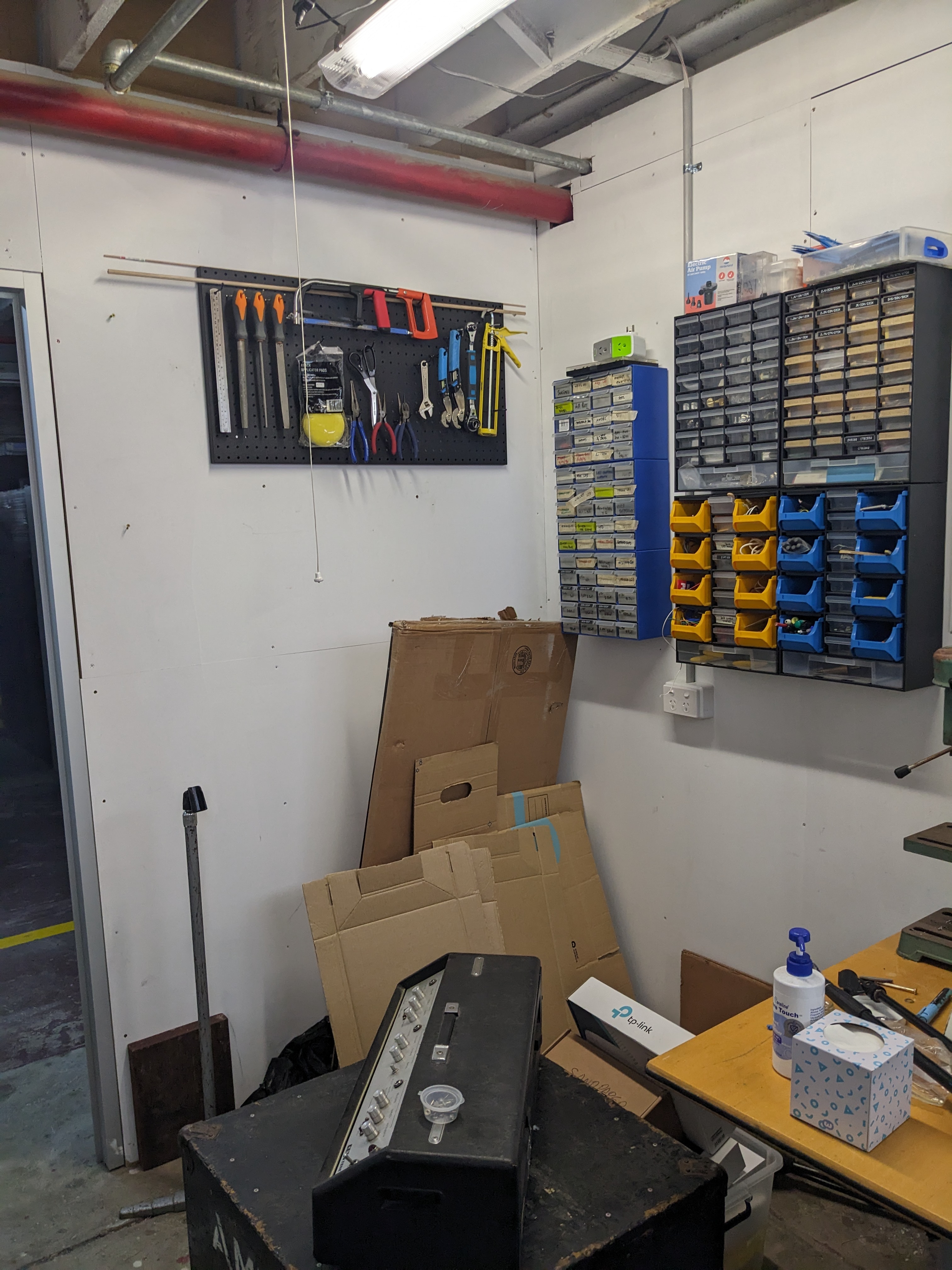
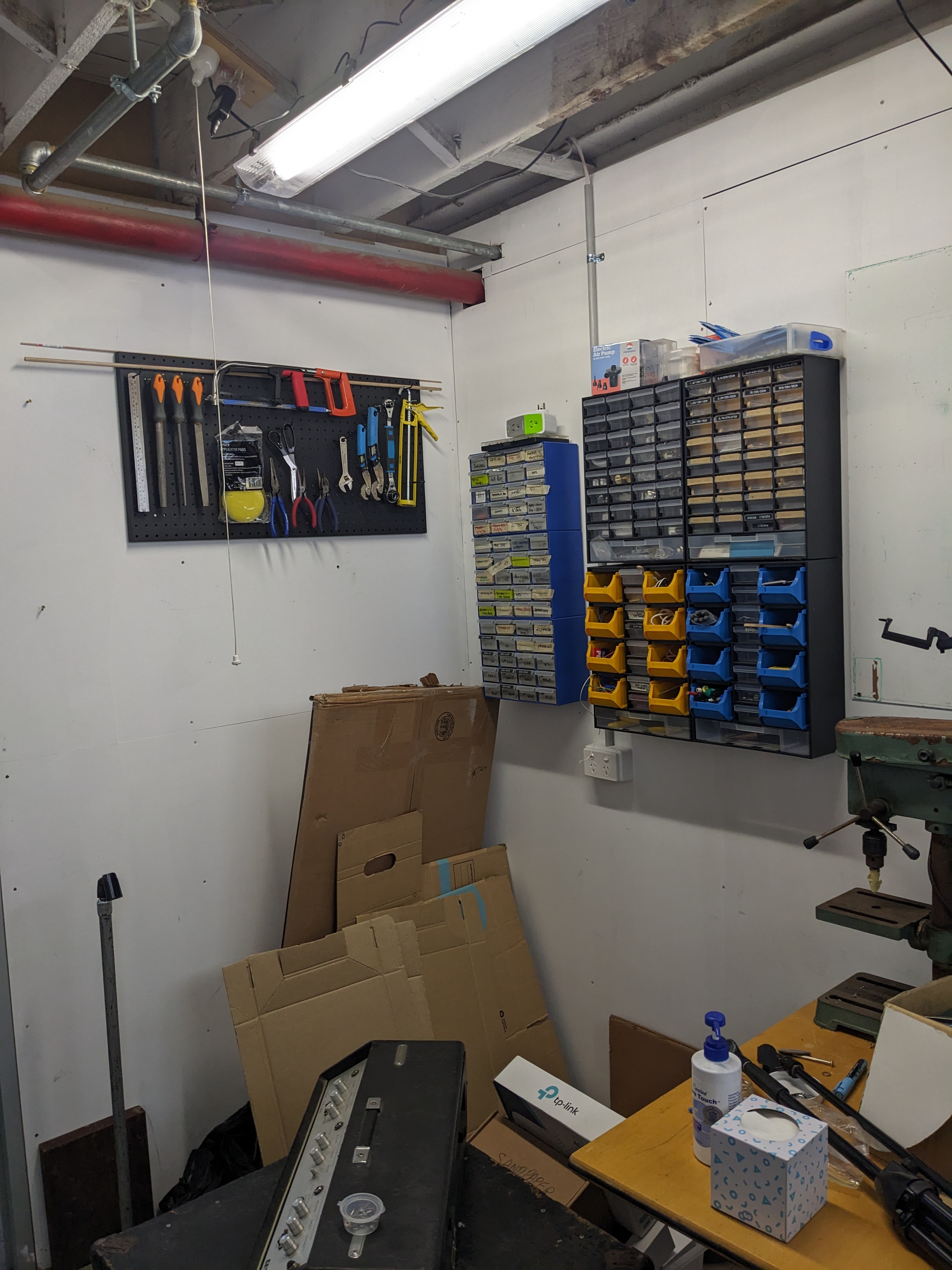
Barkvox is recording, repairs, and curated used gear. Run by a guitarist and electronics engineer who does all three, and keeps them connected.
The gear that goes through the shop gets the same scrutiny as anything on the bench. If it doesn't pass, it doesn't go up.
Engineer · Musician
Barkvox is Joshua Barker — EE by training, guitarist and recording musician in practice.
Formal background in Electrical & Electronics Engineering. Day job is IT and systems work. Barkvox is where the actual interest lives.
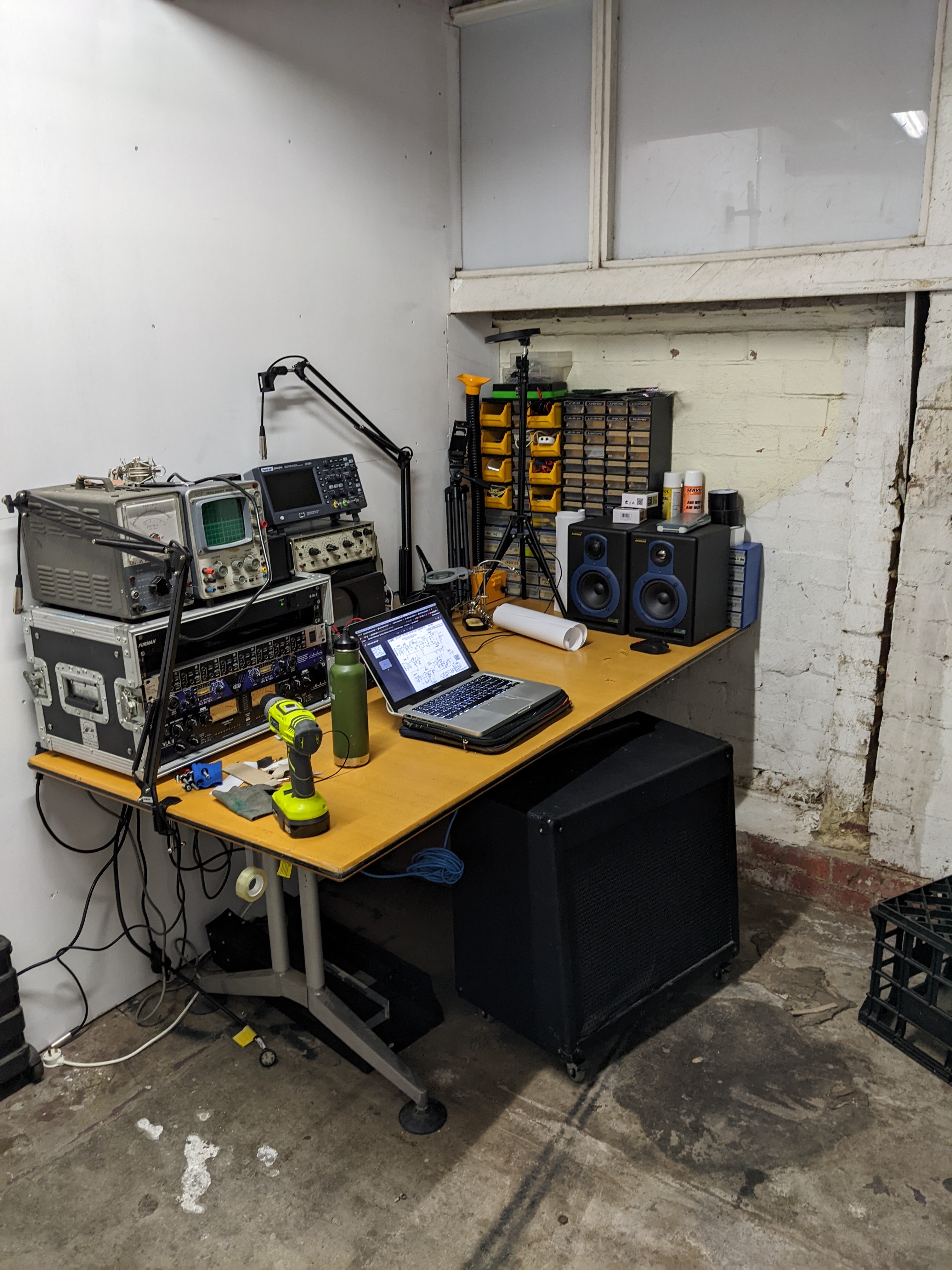
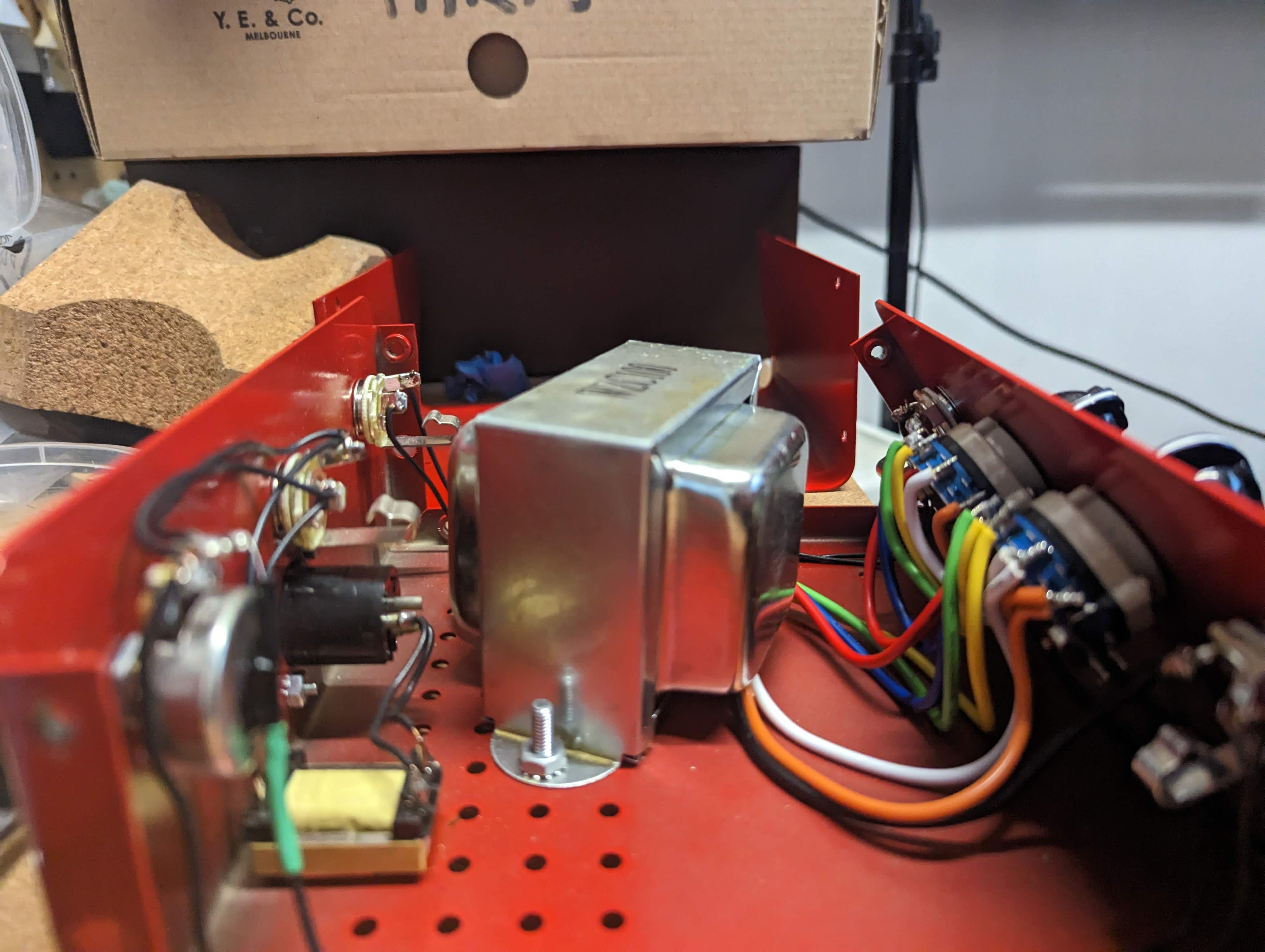
Background in signal theory, electronics, and systems design — which makes amp and pedal repairs methodical rather than guesswork. Active as a guitarist and songwriter, so the bench and the studio stay informed by each other.
Knowing how a transformer saturates, what a bias shift sounds like, or why a cap going soft changes the feel of an amp — that’s the difference between a repair and a fix. The musical ear is what decides when it’s actually right.
Small by design. The work is better that way.
What Barkvox does
Guitar, bass, vocals, and acoustic instruments. Tracked to capture something real — not a scratch to fix in post. Booking opens 2027.
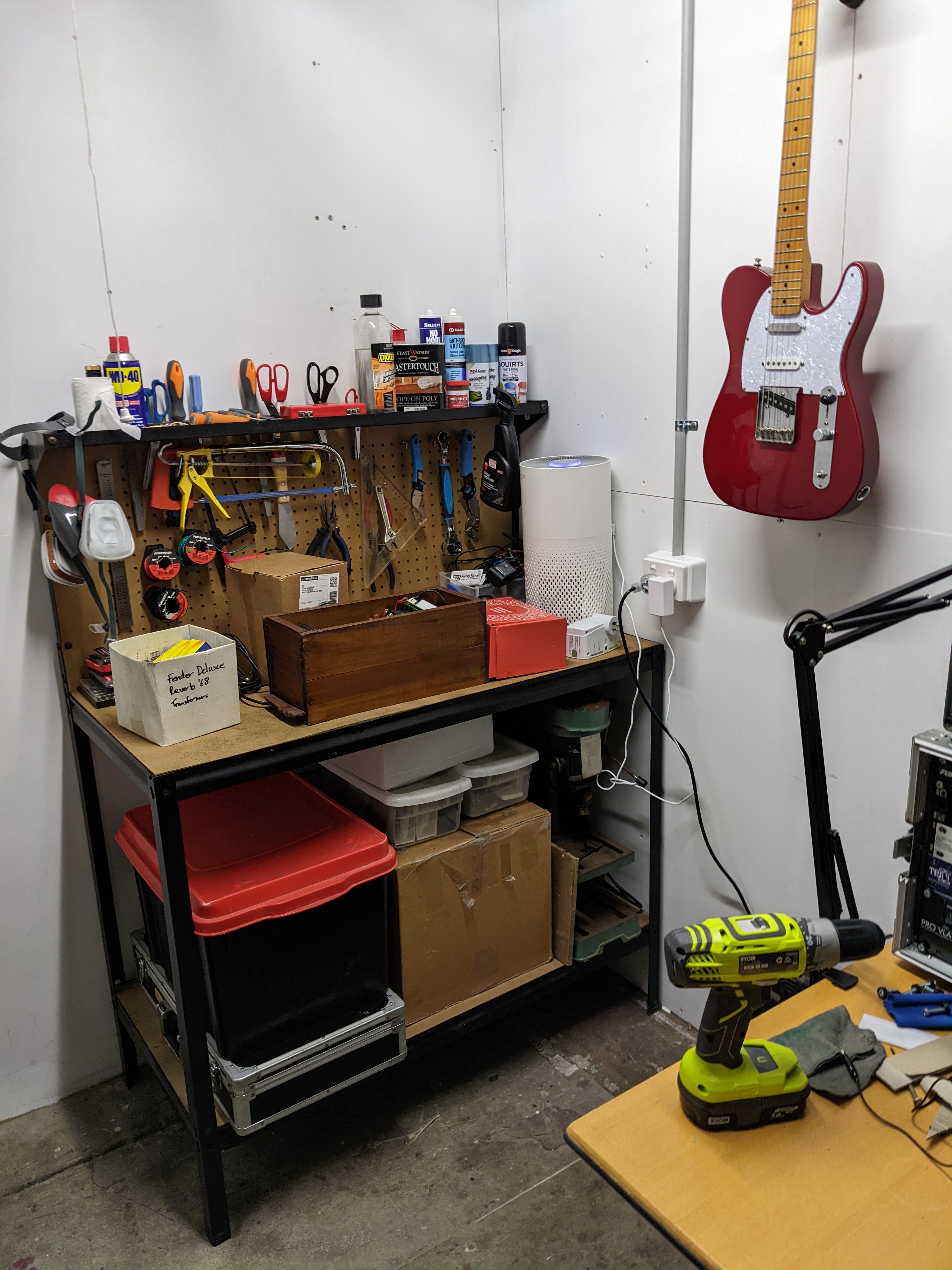
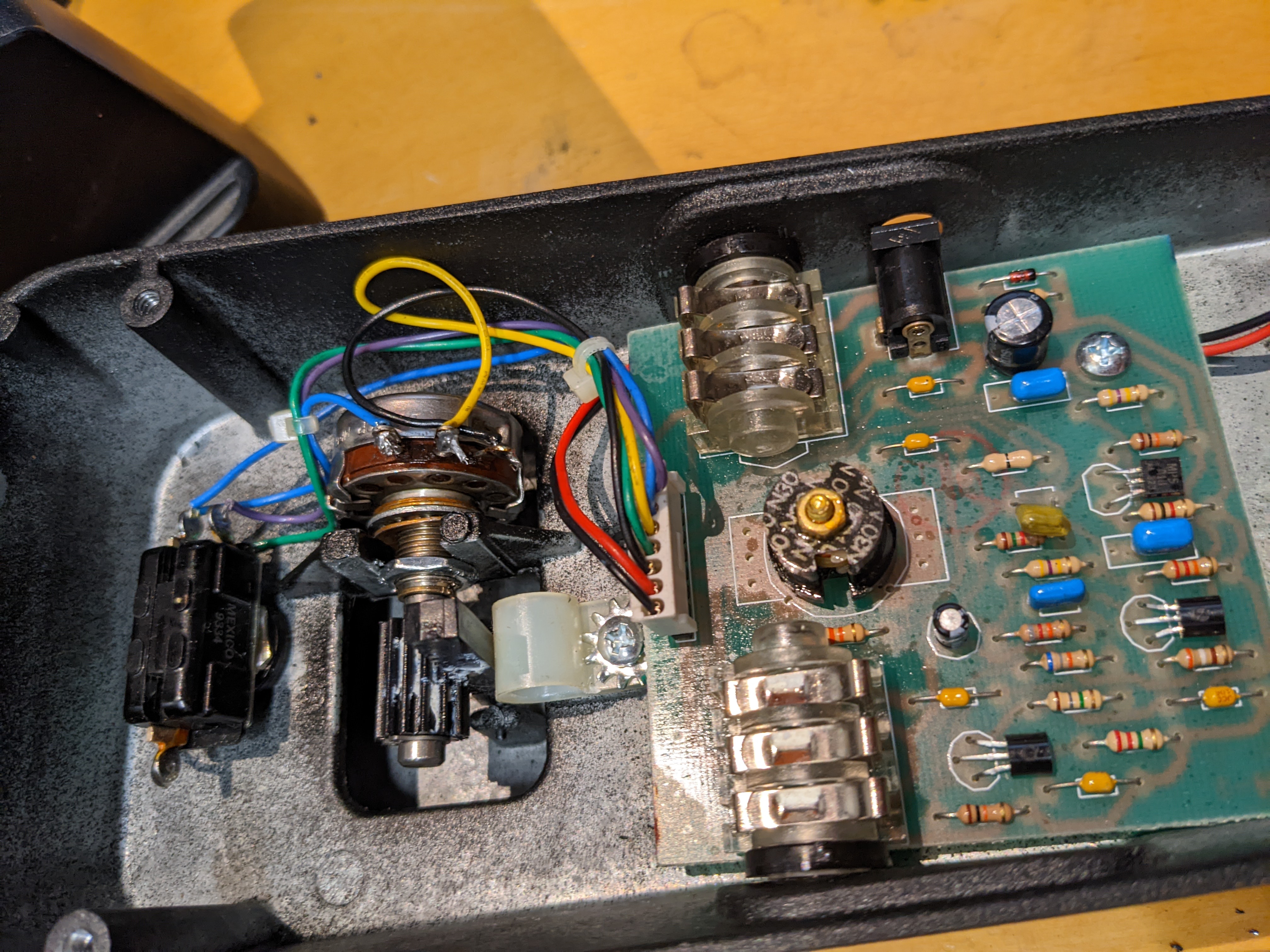
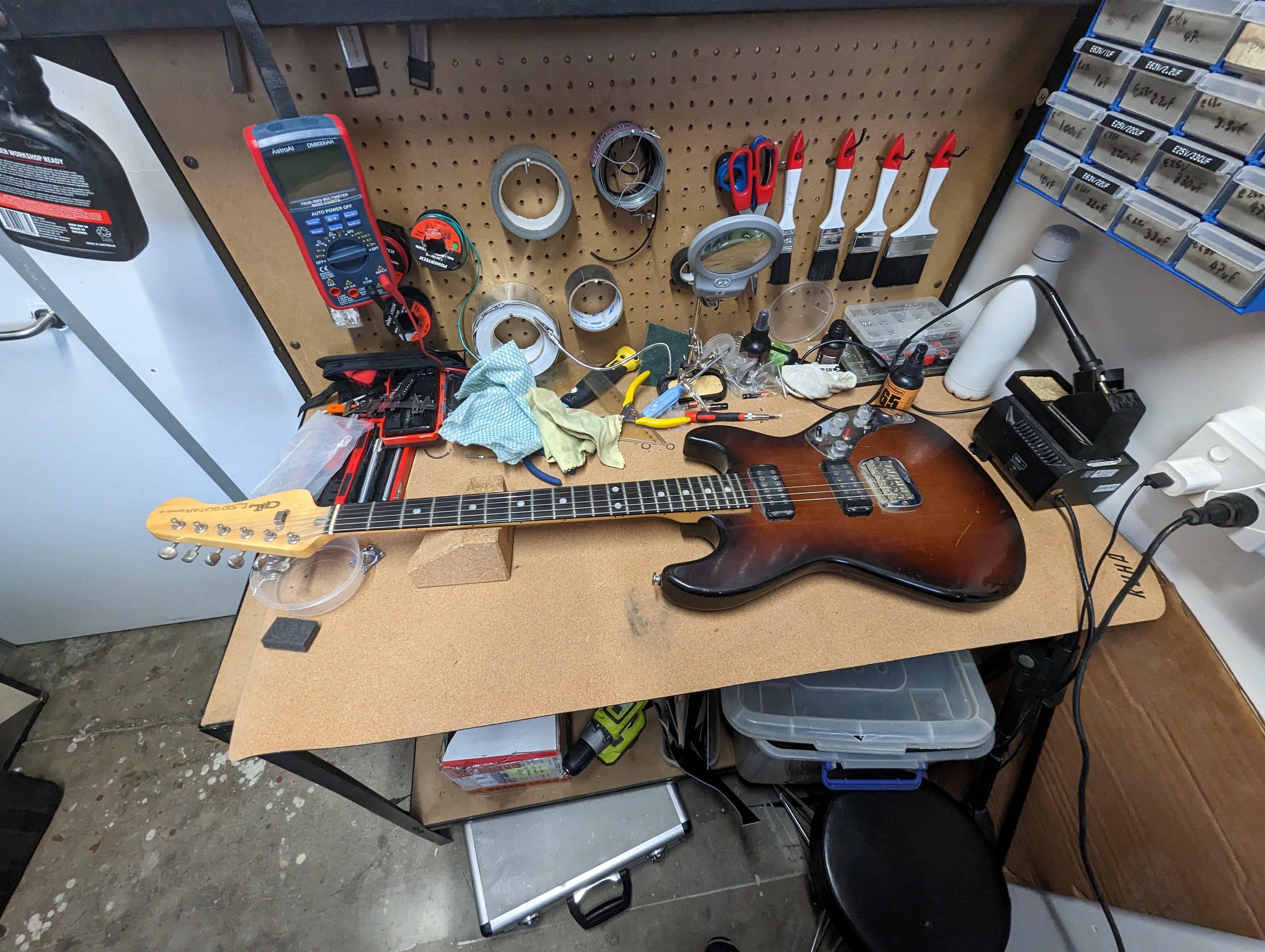
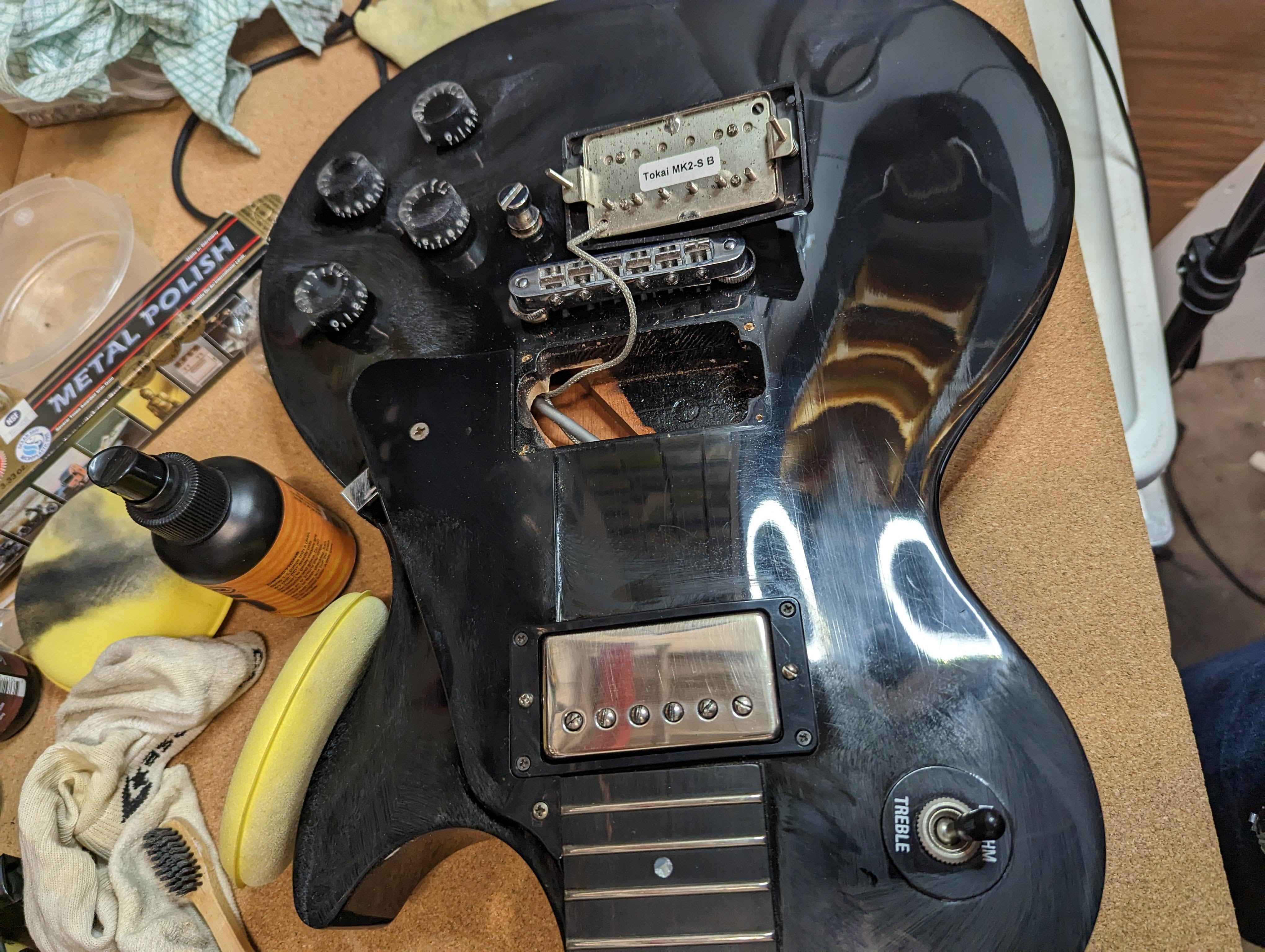
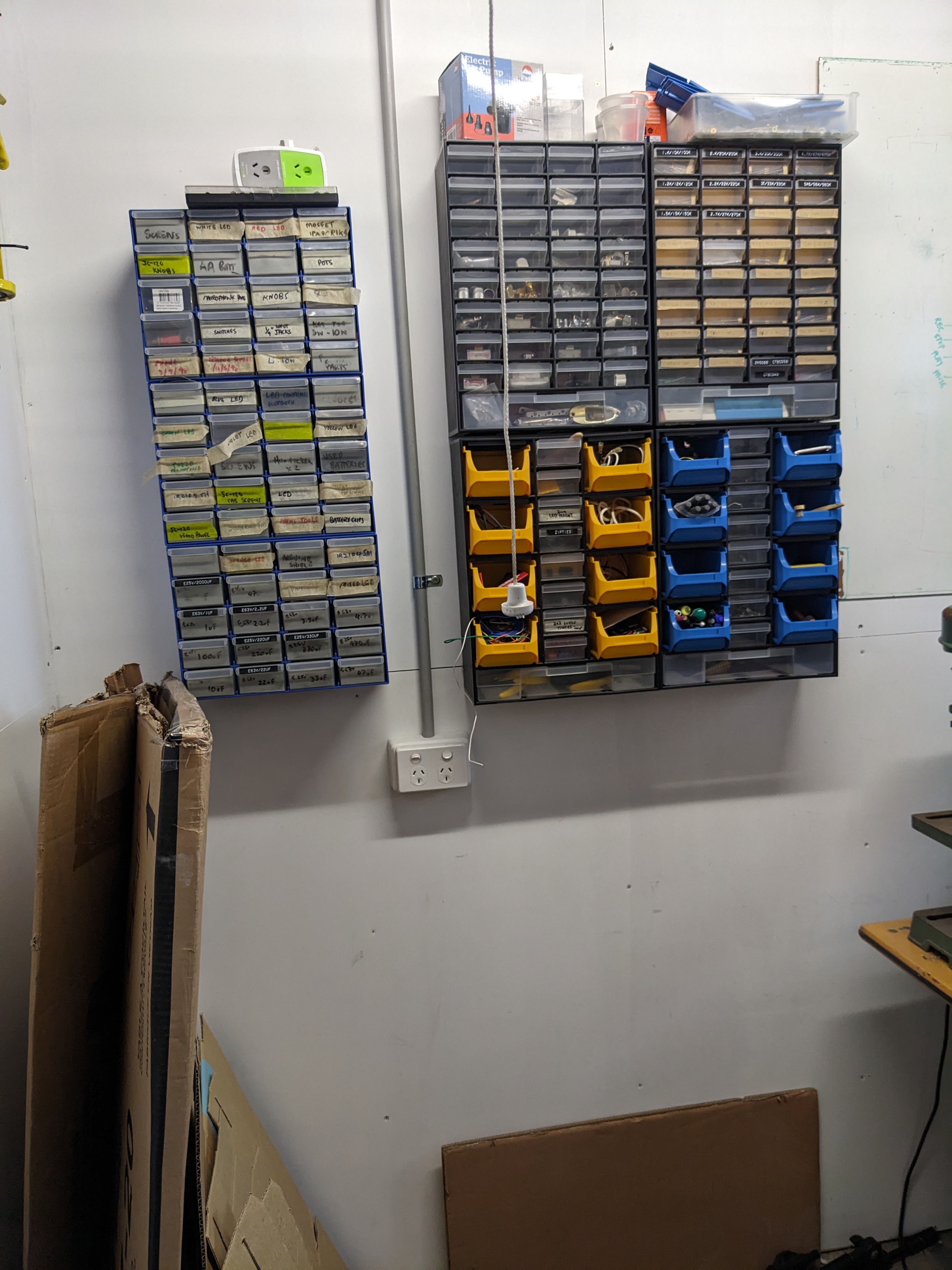
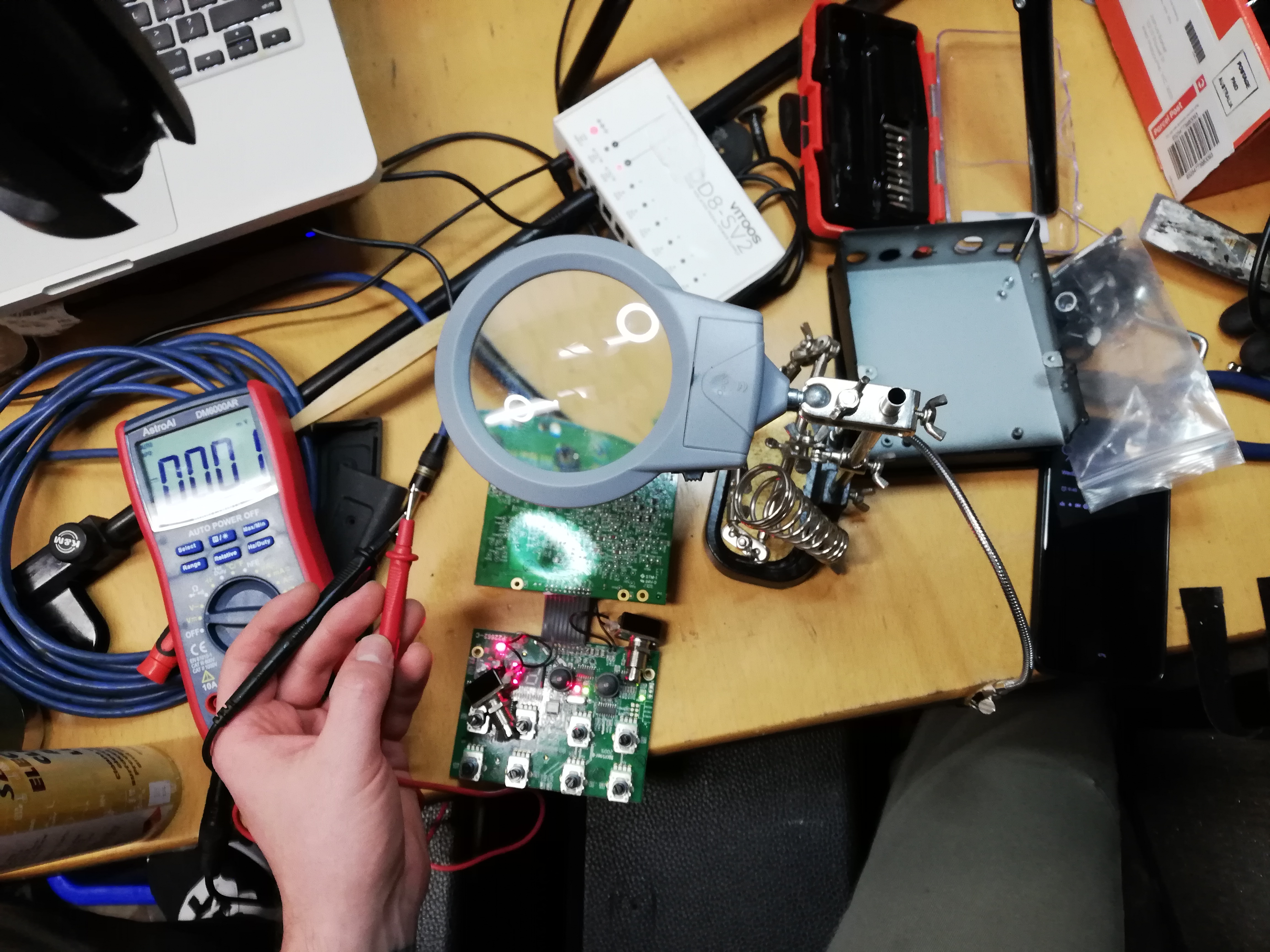
Component-level amp and pedal repairs. I trace the fault first — you get a quote before anything is touched, and notes on what was found when it's done. Opening 2027.
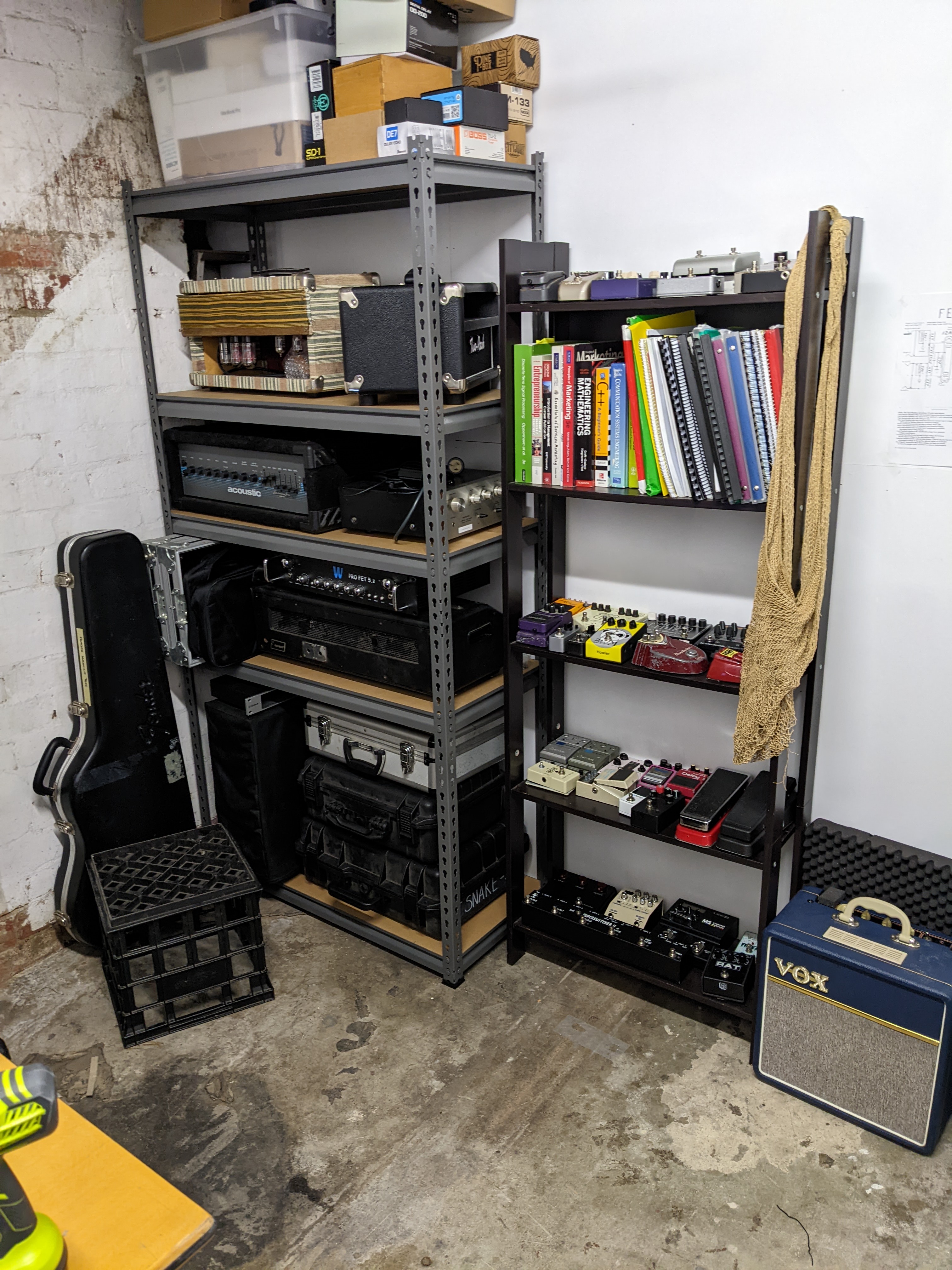
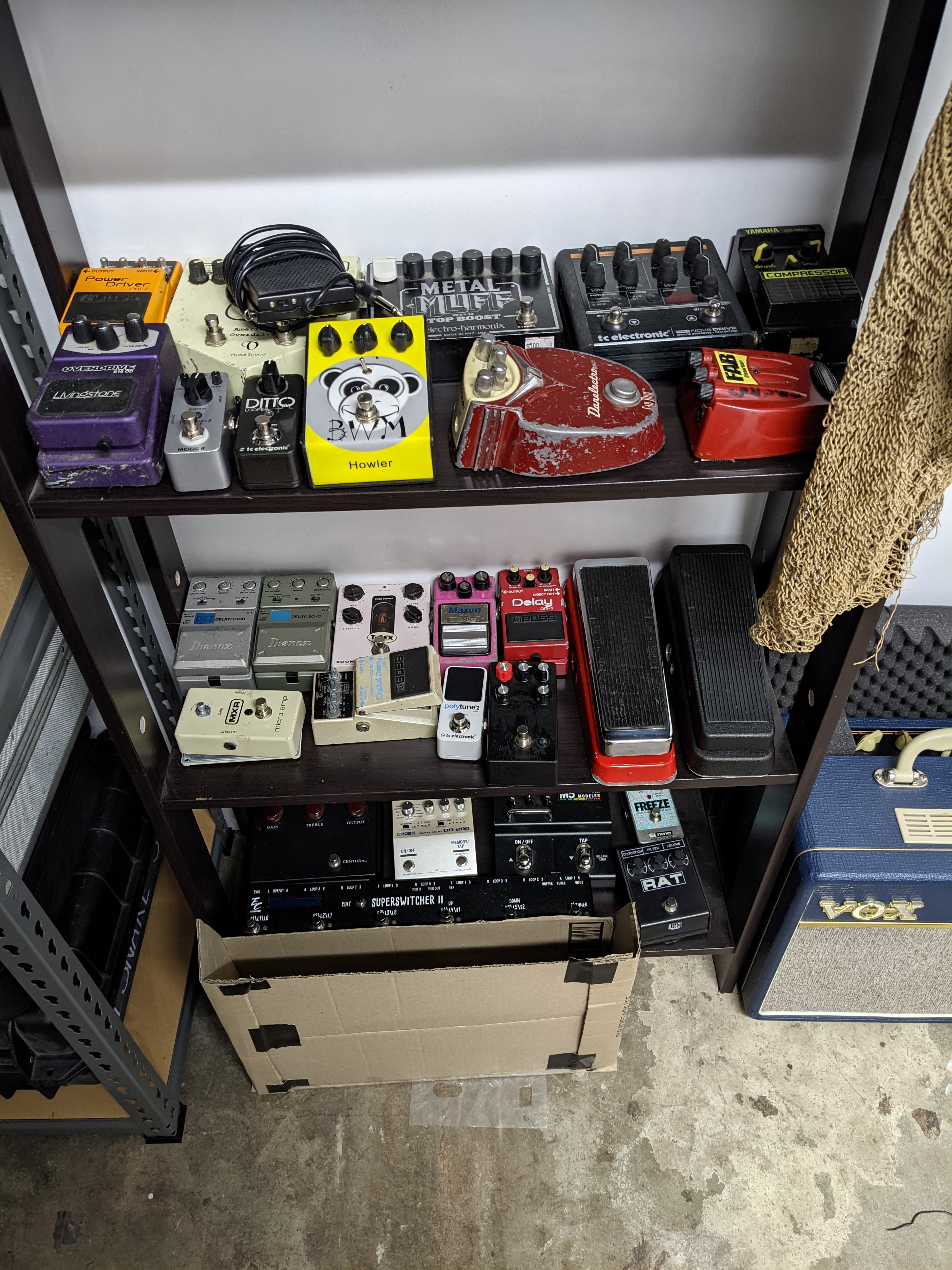
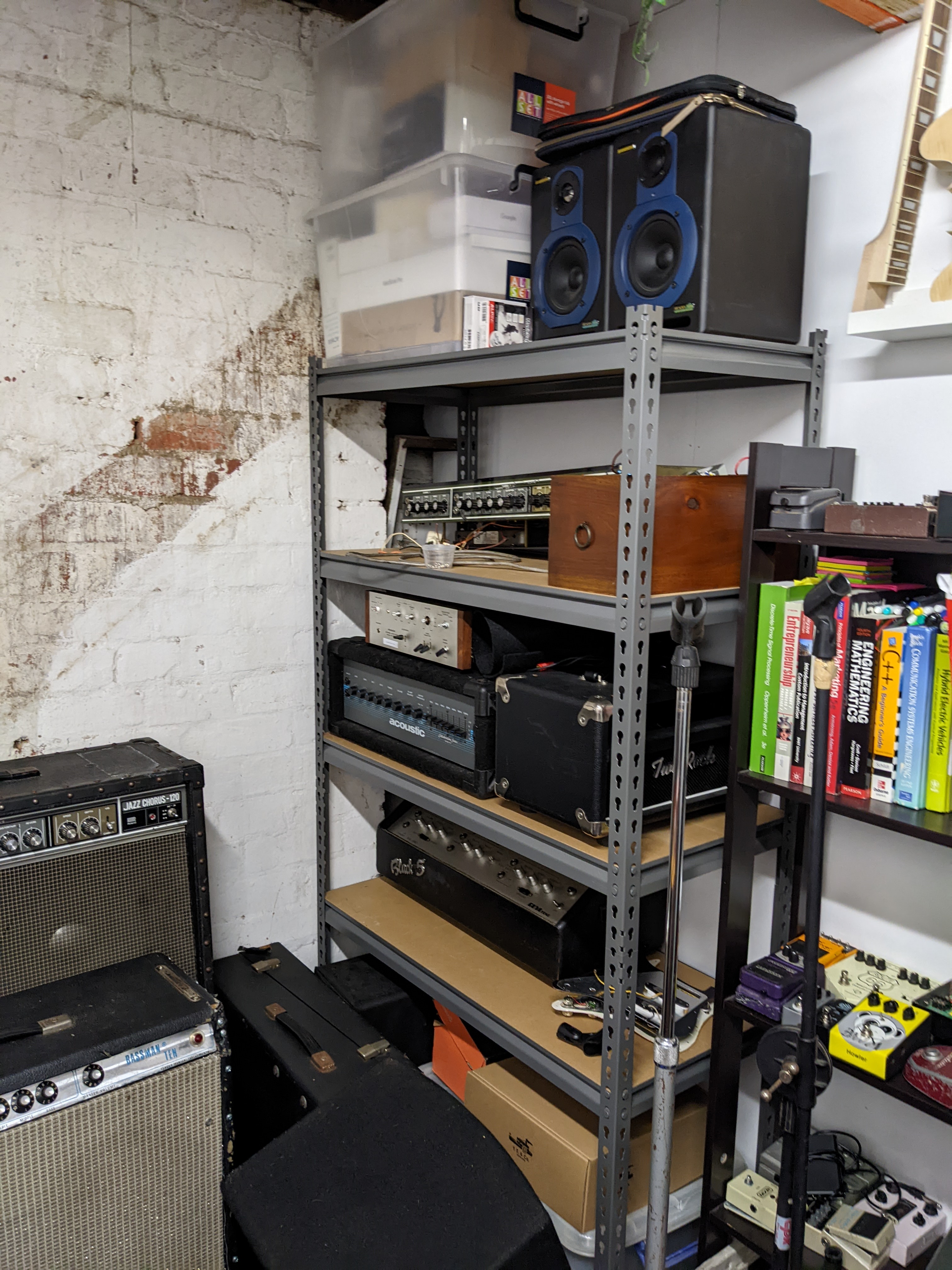
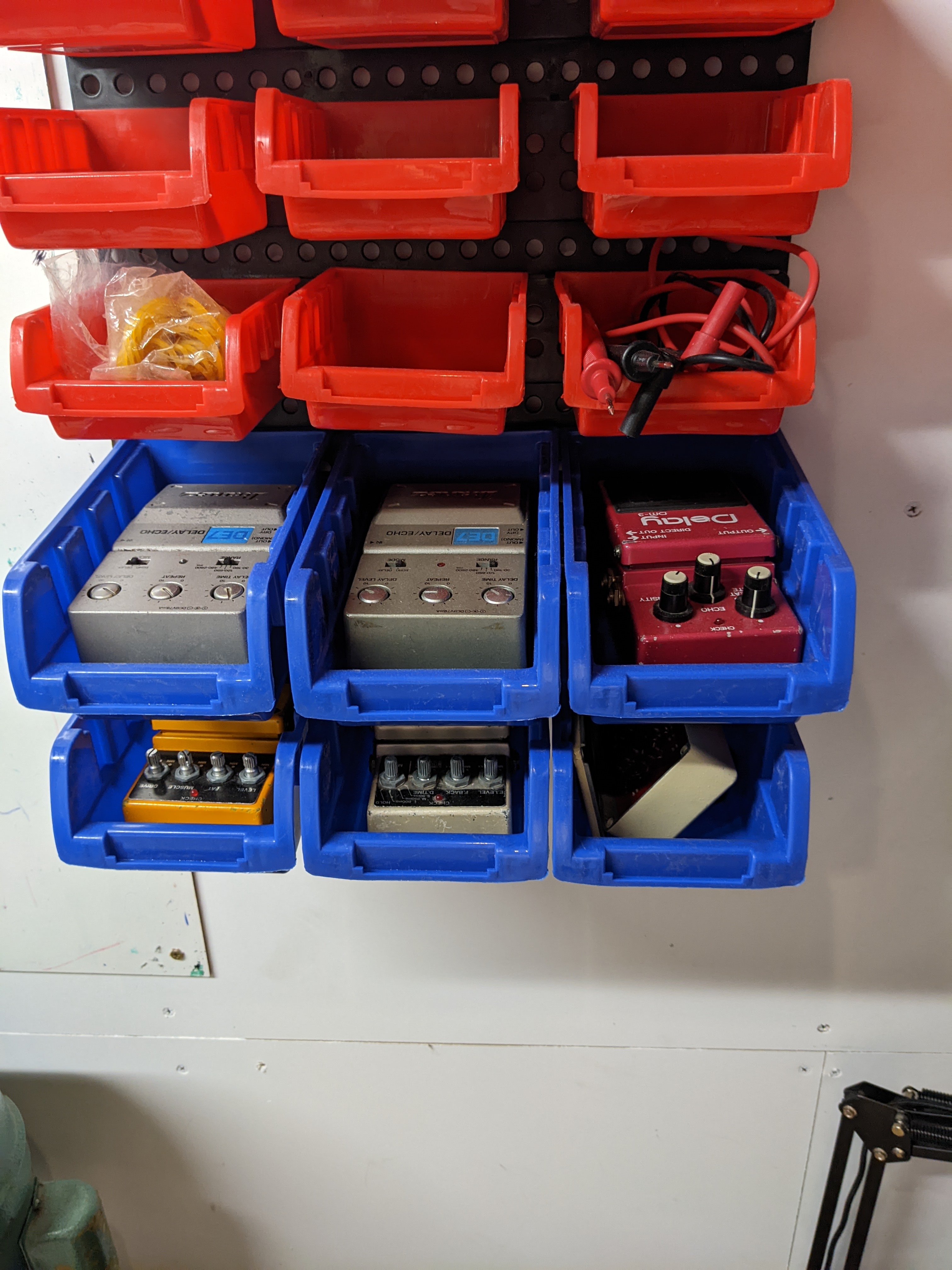
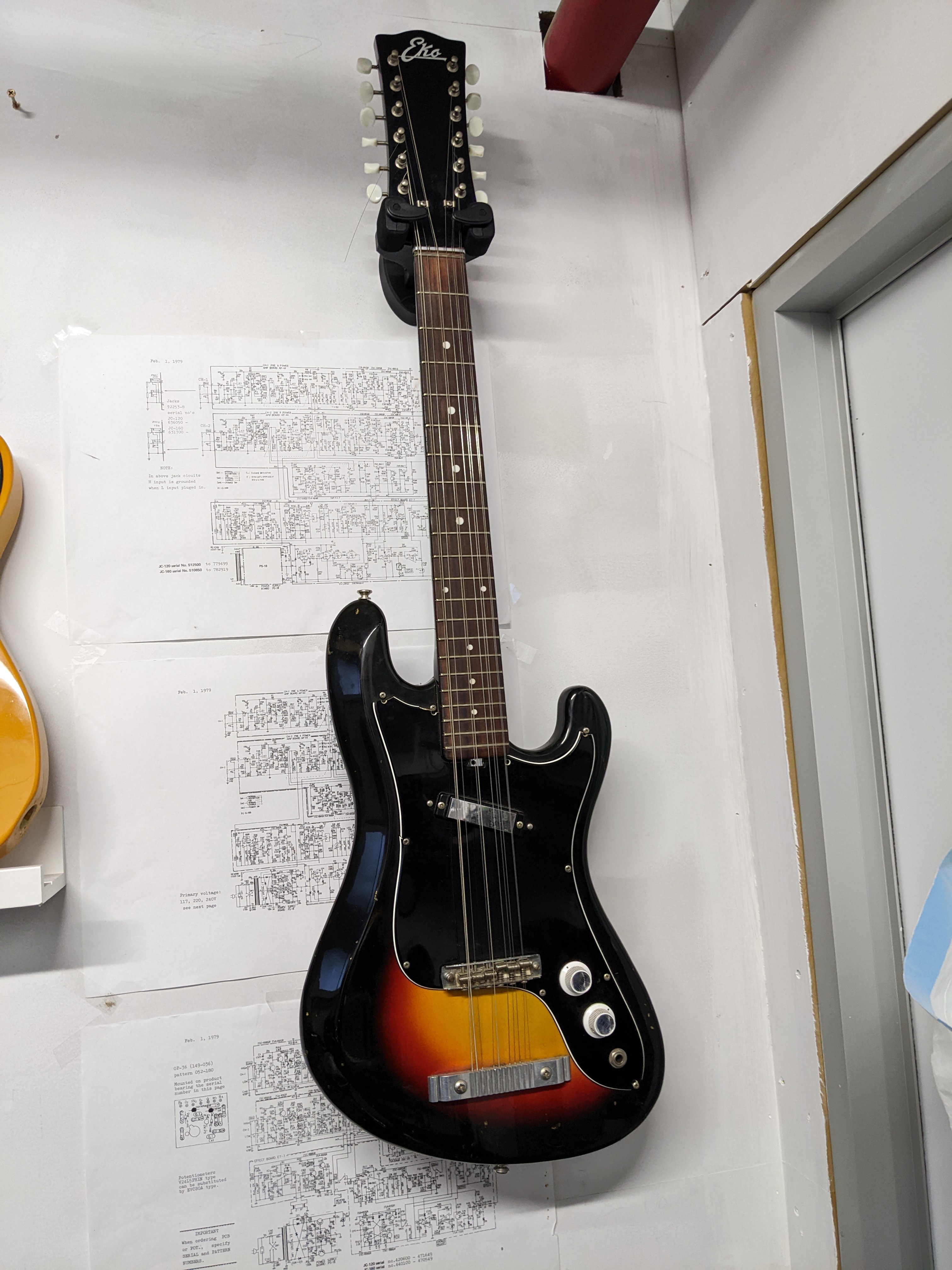
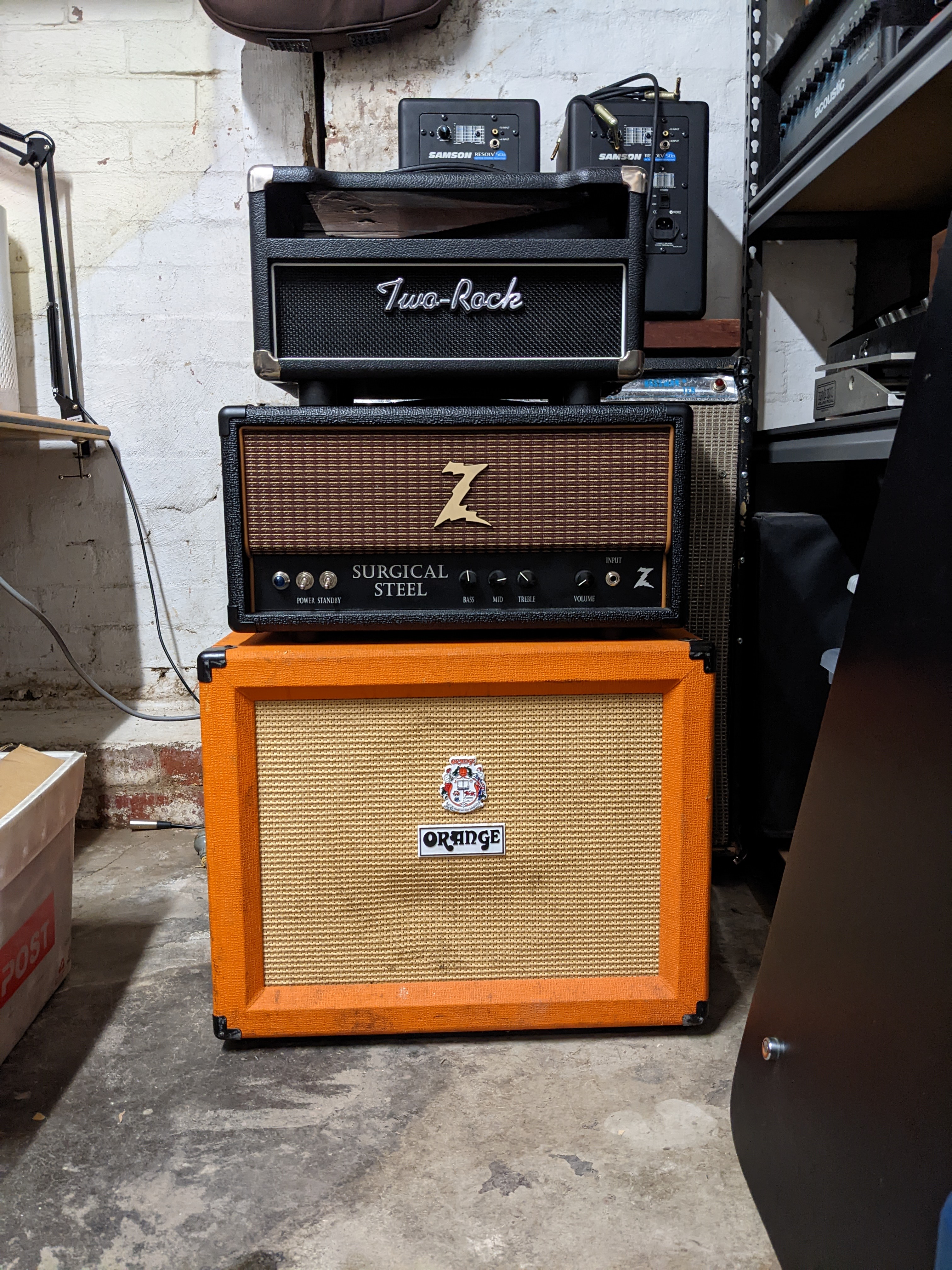
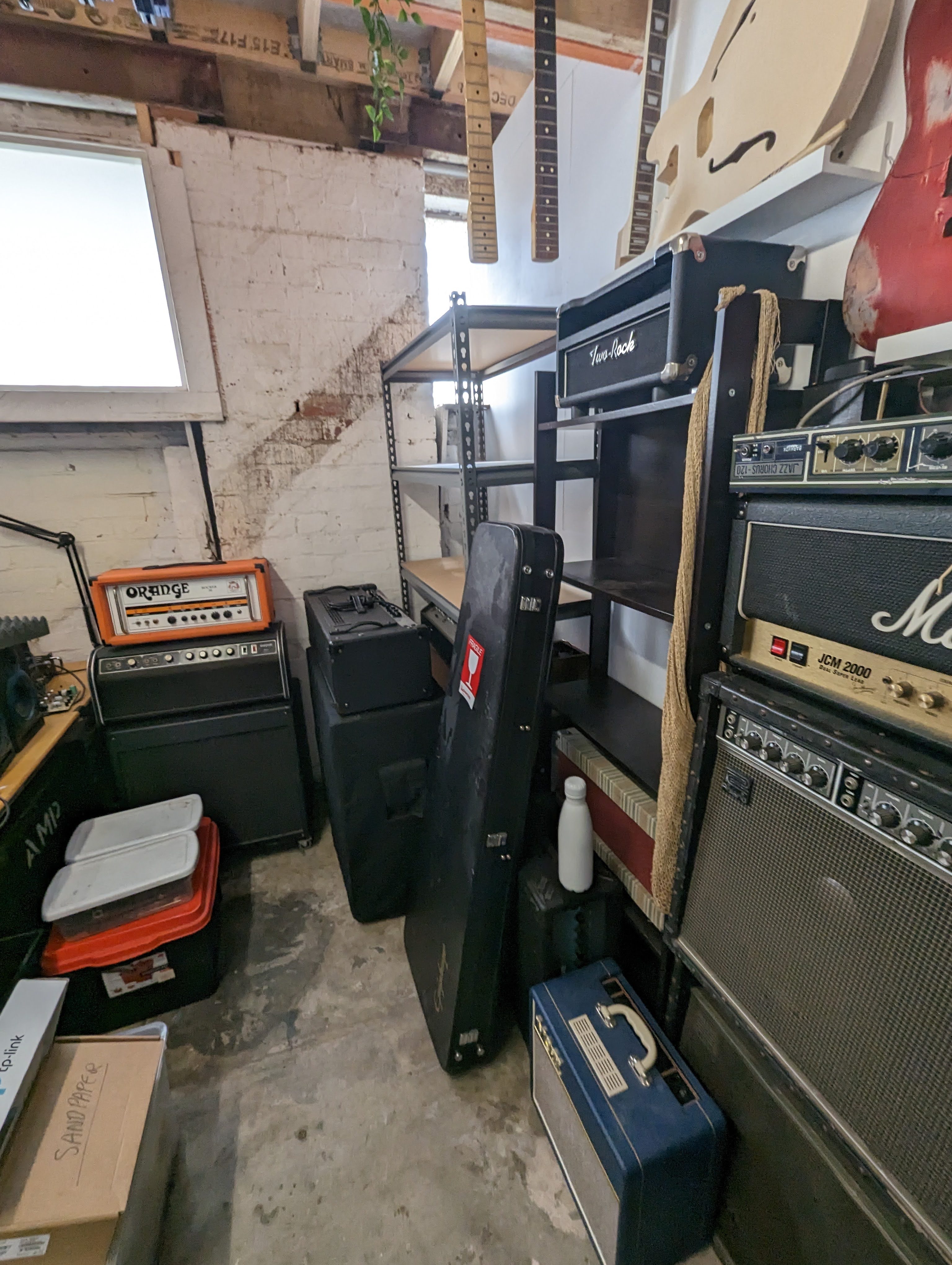
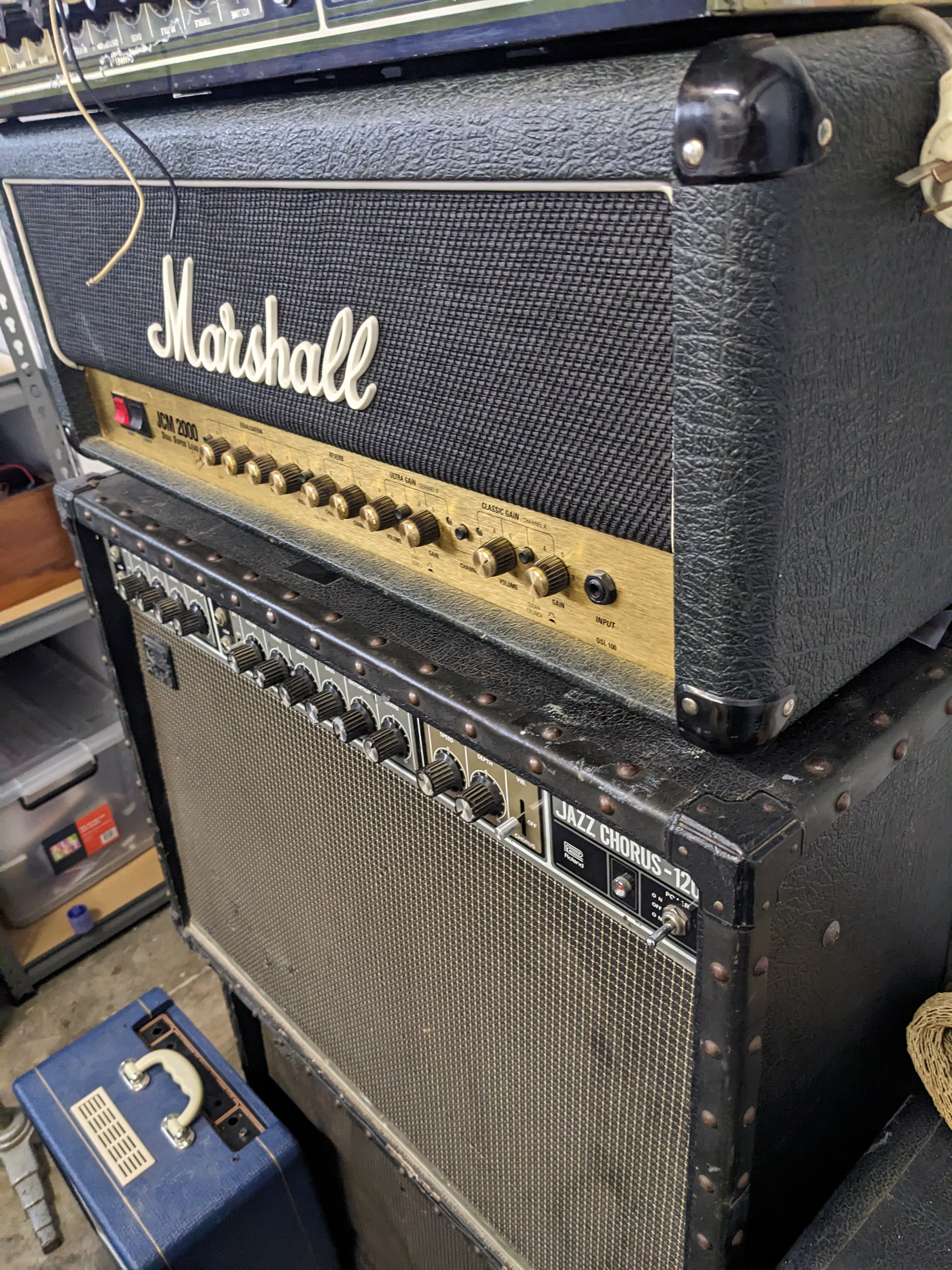
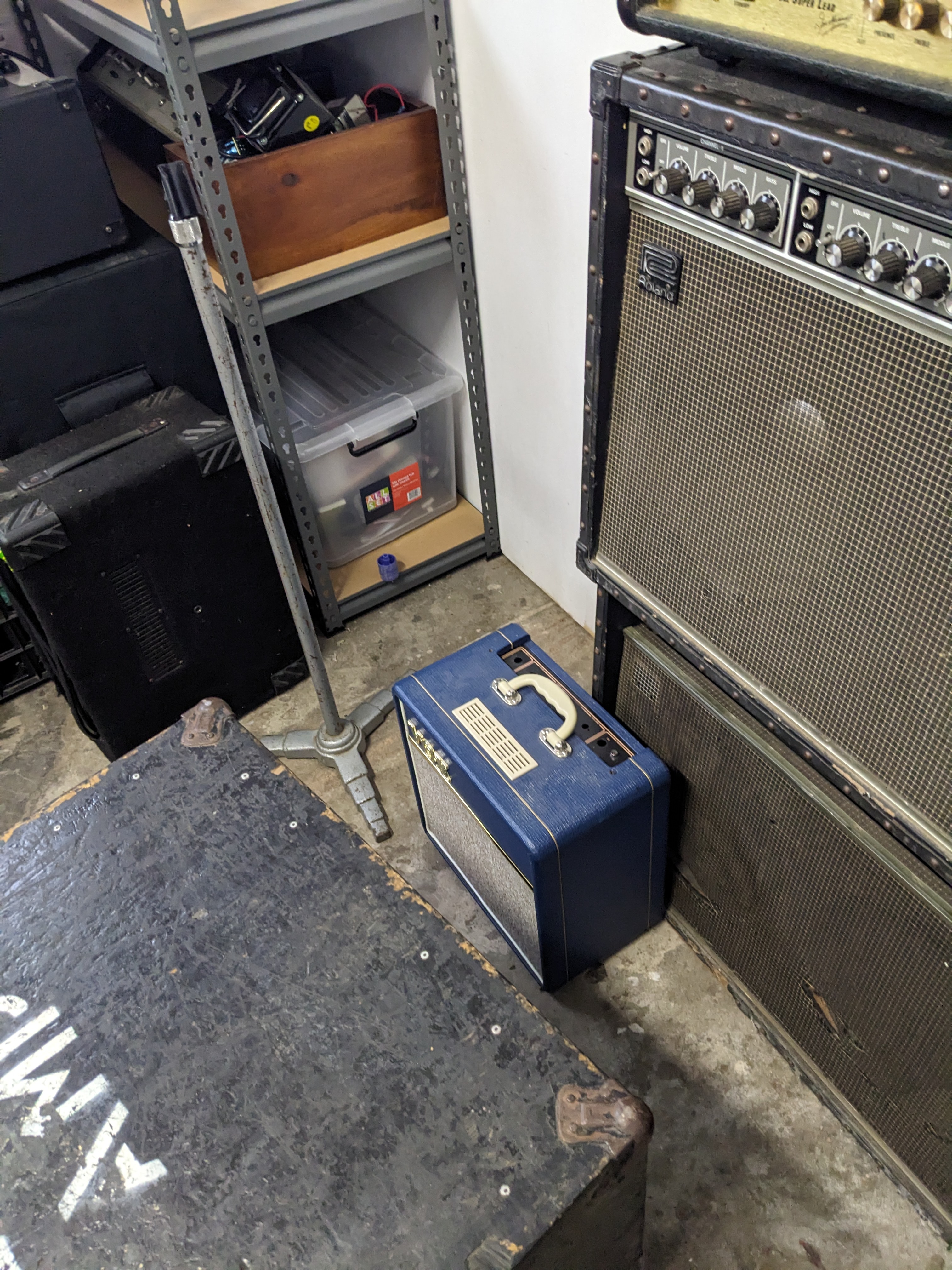
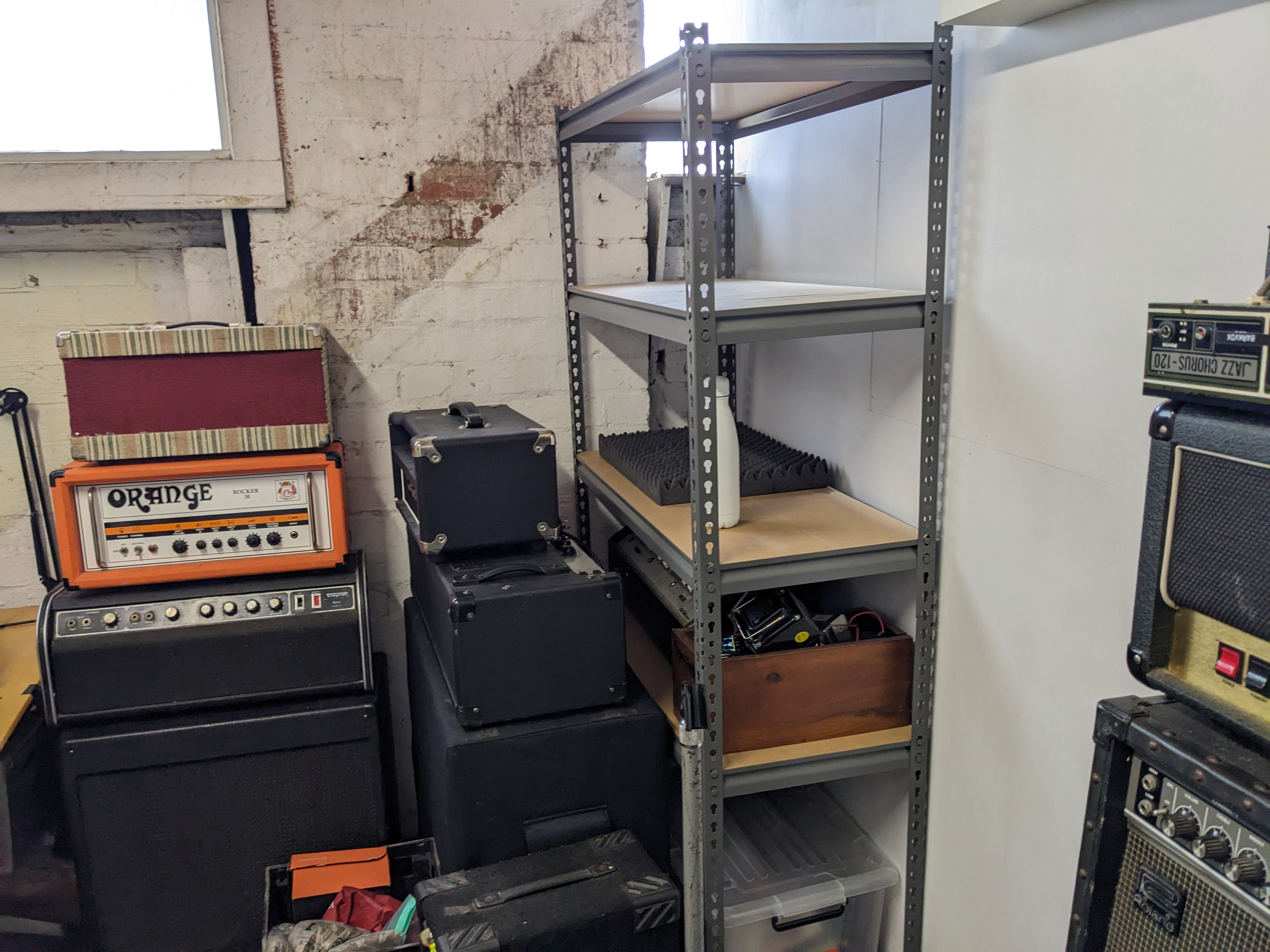
Guitars, amps, and pedals — played and checked before they go up. Condition notes say what's actually there, not what sounds good in a listing.
View shop →Made-to-order through Pack Station. Mogami W2319, Neutrik NP2X, any length. Send through what you need and I'll quote it.
Get in touch →The approach, in plain terms
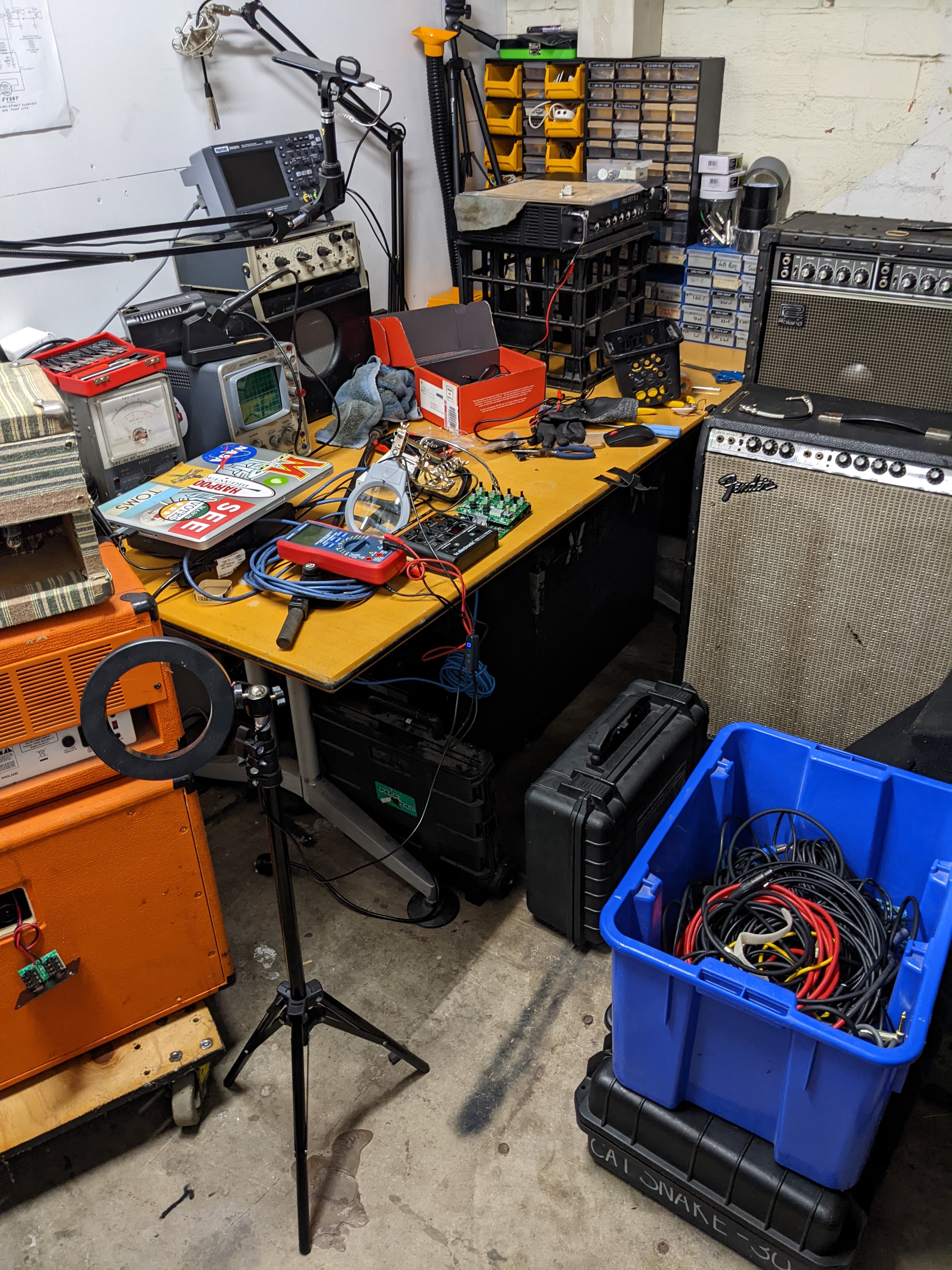
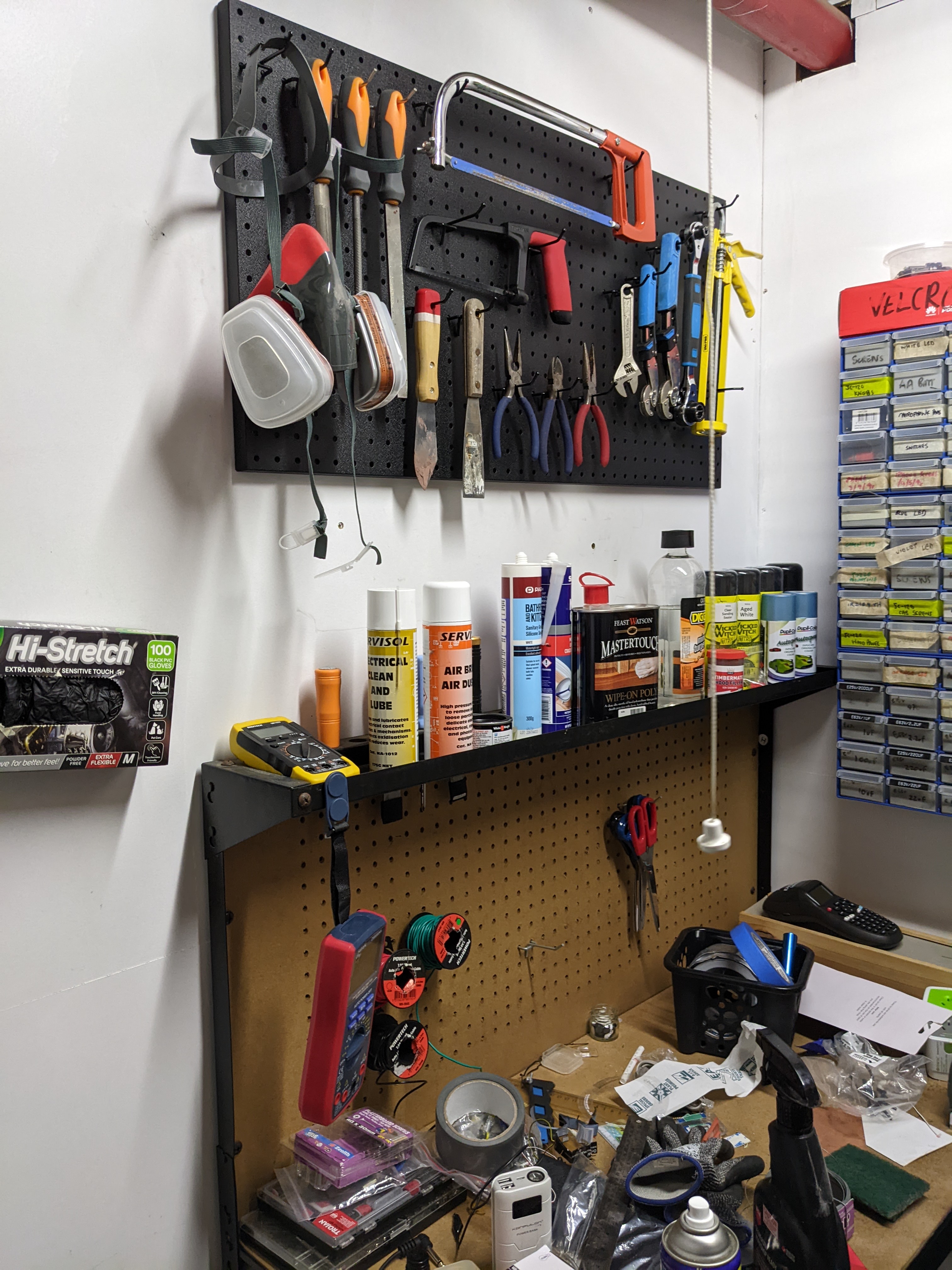
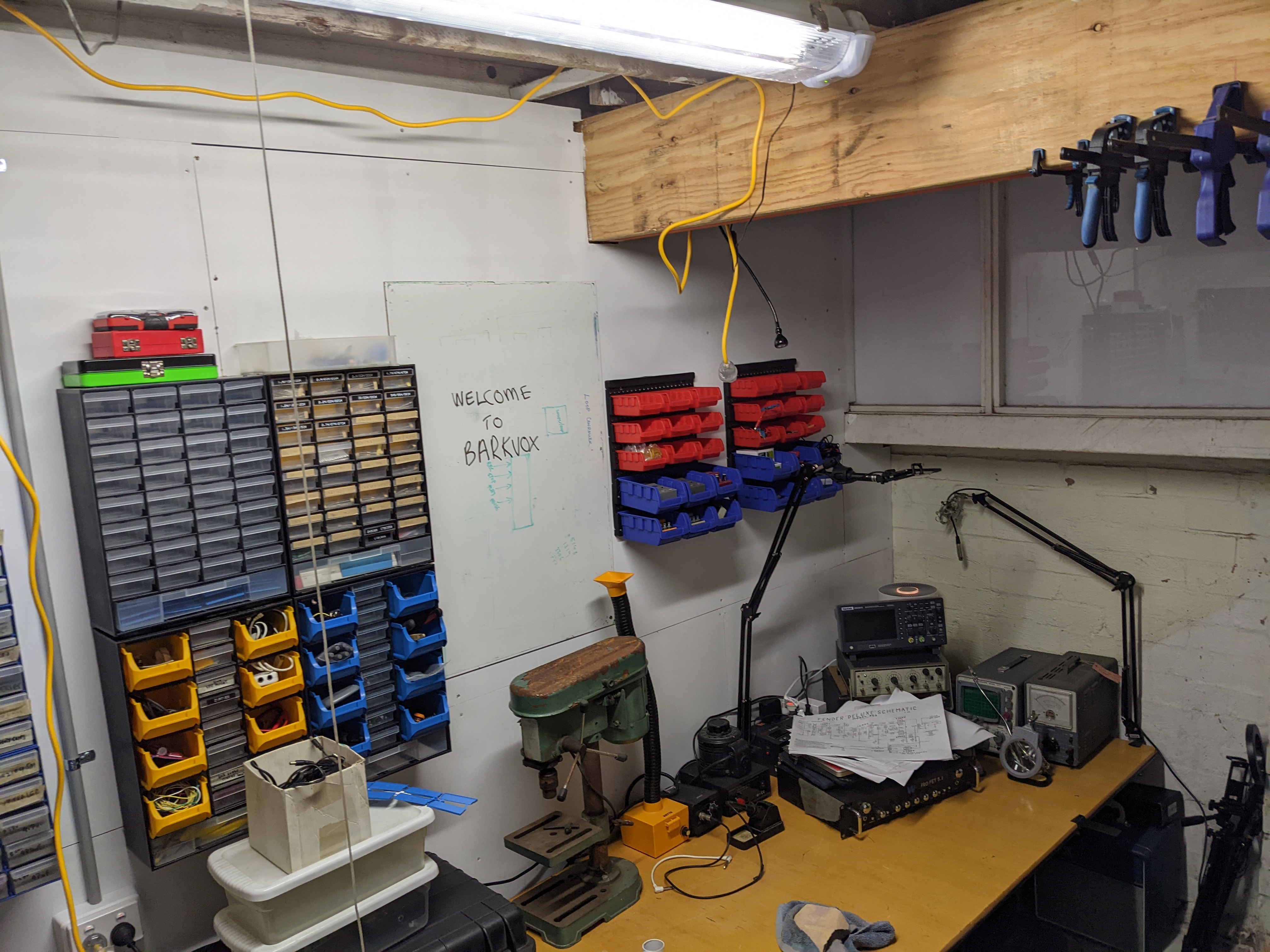
Amp on the bench? Schematic out, signal traced from input to output before anything gets unsoldered. Guessing costs the client more and fixes less.
Measurements matter for confirming a fix, not for deciding if something sounds right. A spec sheet won’t tell you a cap is going soft — your hands and ears will.
No volume targets. The gear I sell is gear I’d gig or track with. The repairs I take are the ones I know I can get right.
The short version
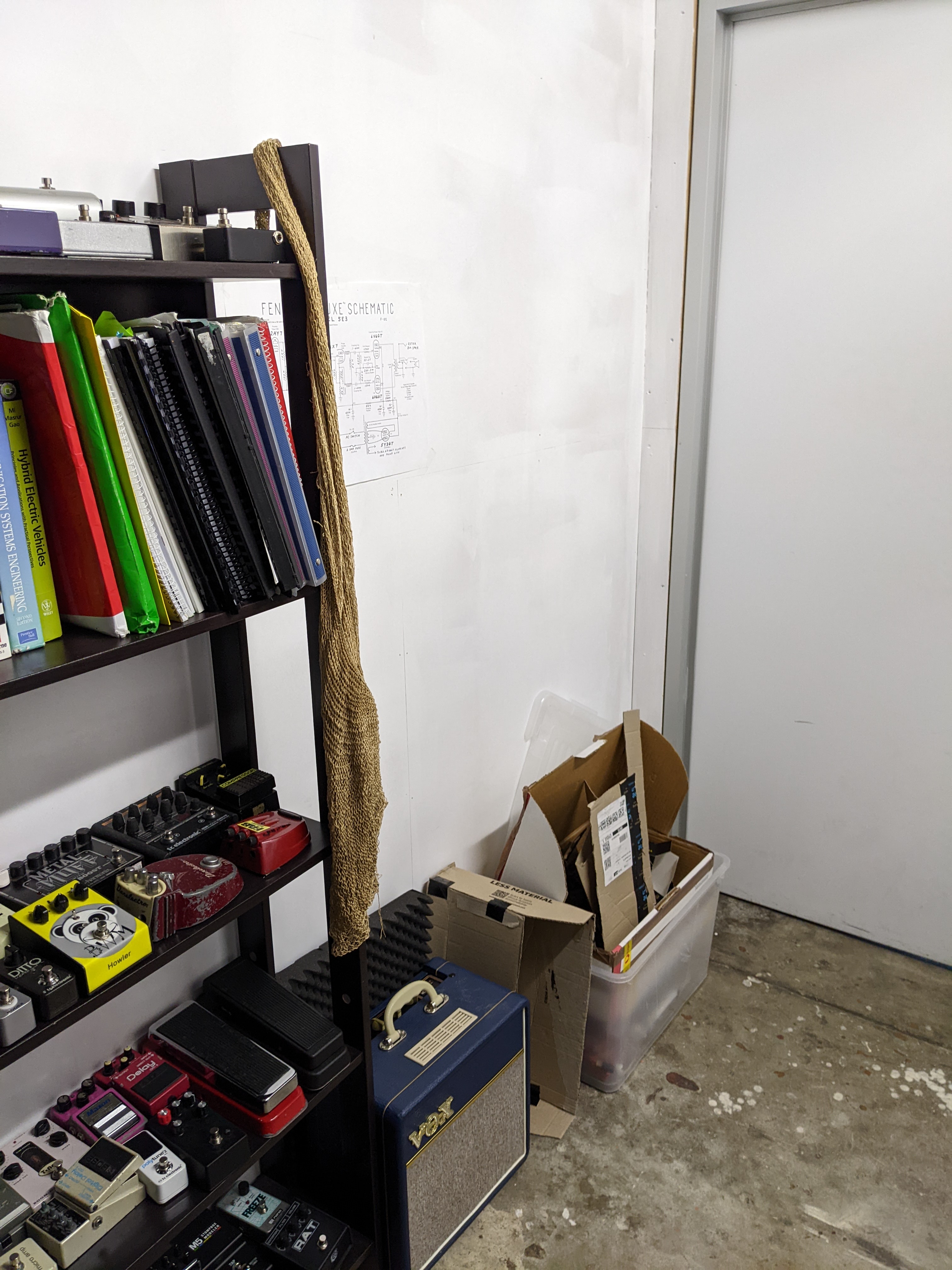
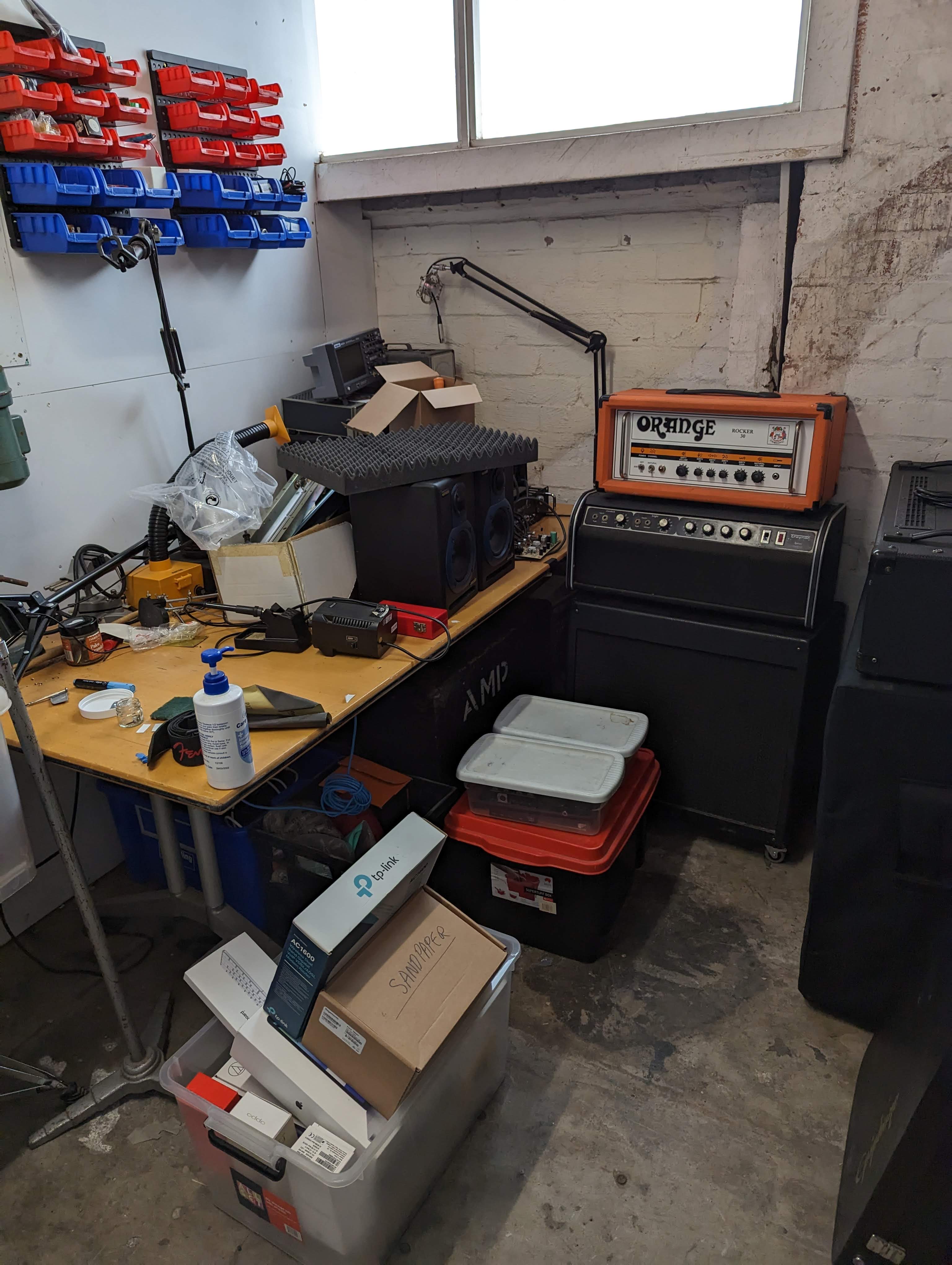
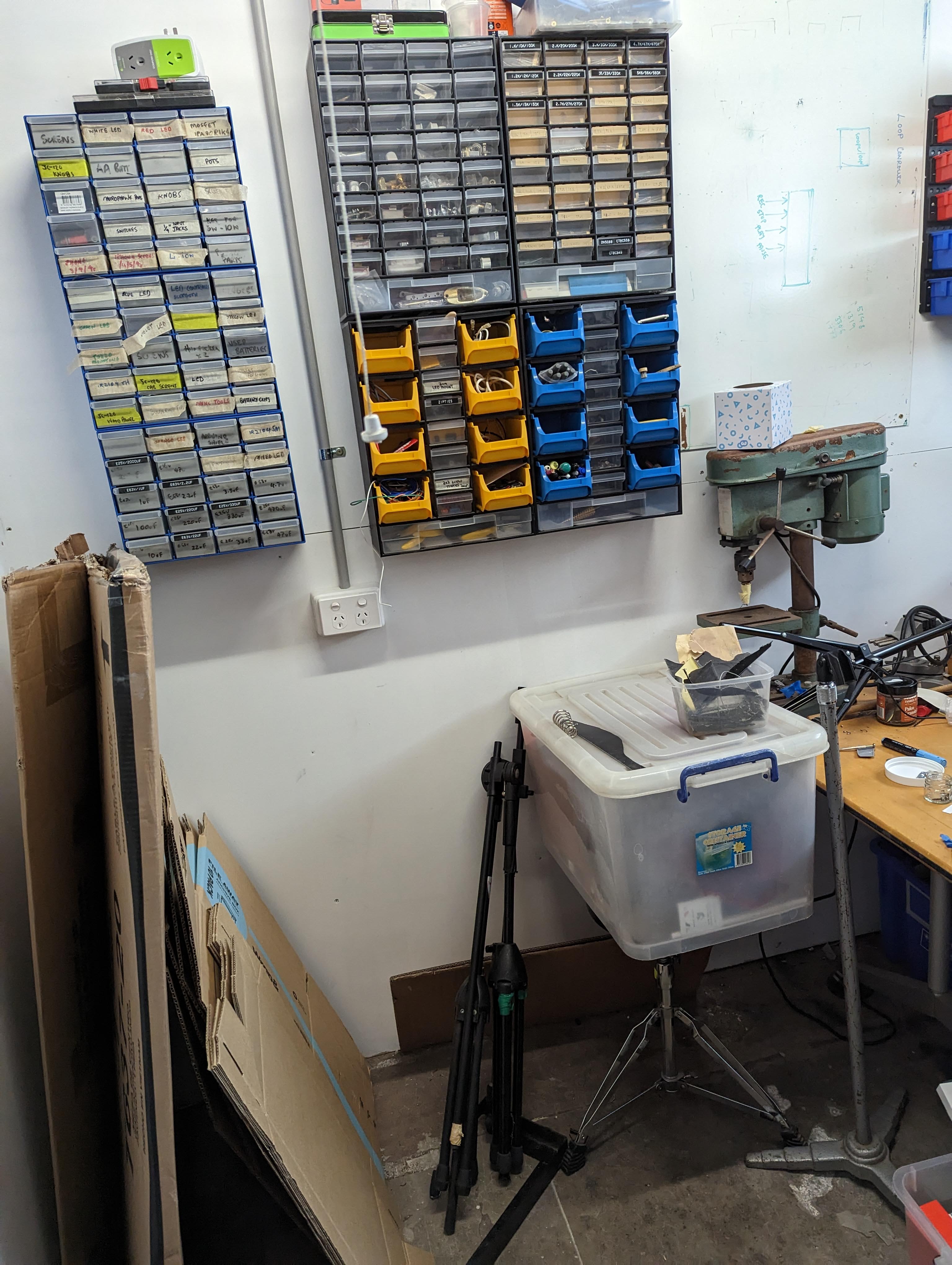
Started as a home setup — recording gear, a soldering iron, and a lot of time figuring out why things sound the way they do. Signal chains, amp mods, room treatment. The usual rabbit hole.
Started taking repairs and doing sessions. Learned fast that most problems have a clear cause if you're willing to trace them properly — and that most gear just needs attention, not replacement.
Buying and selling gear became part of the operation. Checking everything before it goes up, writing honest condition notes, and only listing things worth buying.
Made-to-order cables came out of needing proper cables for the studio and not wanting to overpay for them. Mogami and Neutrik, hand-soldered, any length. Simple.
The direction now is tighter: fewer things, done properly.
On the board for 2027
Recording sessions and repairs open in 2027. The setup is being built for guitar, bass, and vocals — tracked to sound good without fixing it in the mix.
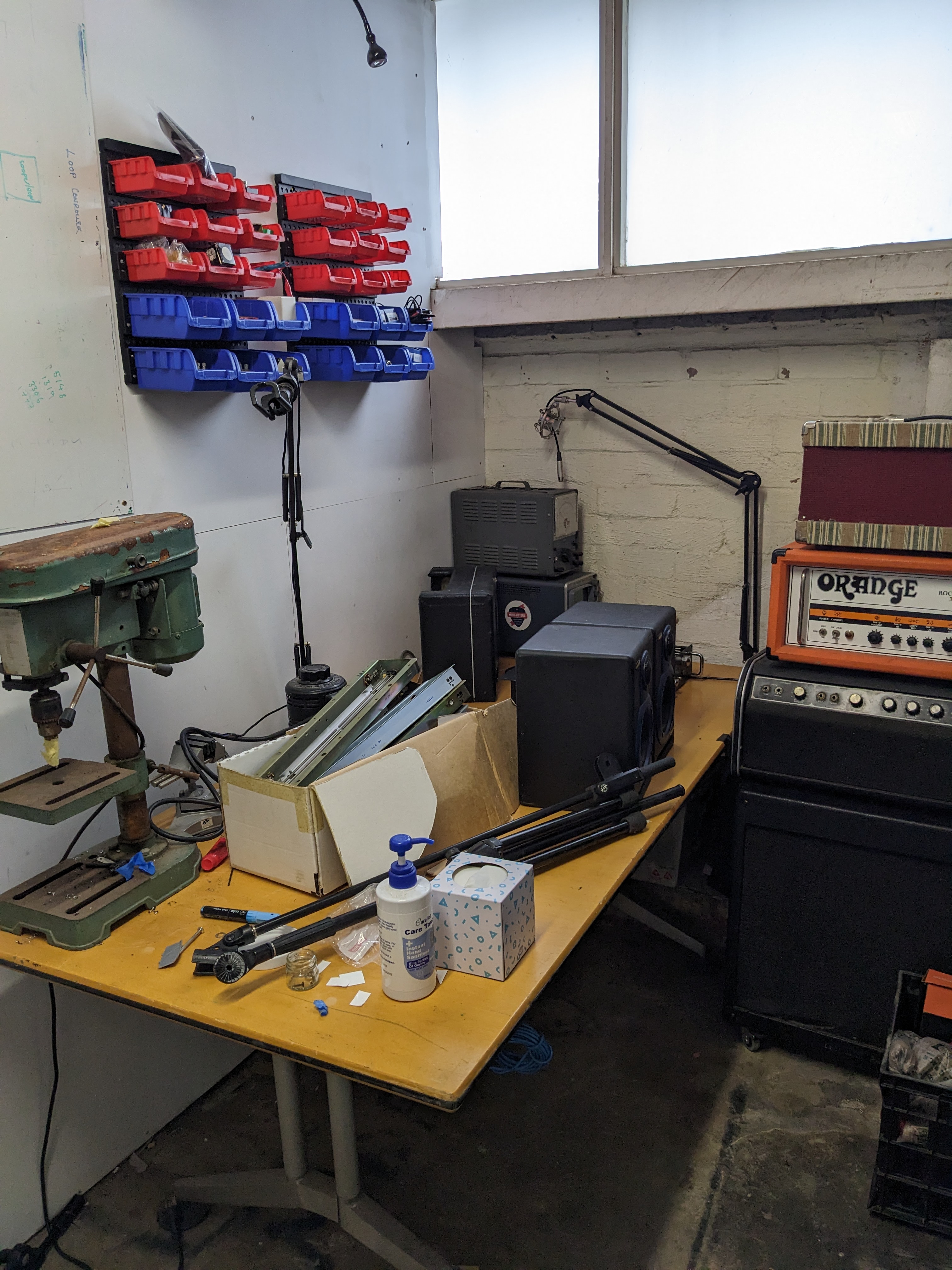
Repairs will be component-level, diagnosis-first. Amps, pedals, and anything with a circuit worth tracing. No guessing, no shotgun-replacing caps without knowing why.
Beyond that, the interest is in the crossover between electronics, software, and instruments — how musicians actually interact with their gear and where that gets unnecessarily complicated.
Notes on what's being built and what's being learned go on the Notes page as it happens.
Gear, cables, or just a question
After a cable, got a piece of gear you want to know more about, or have a repair coming up in 2027 — send a message. Include what it is and what it’s doing (or not doing).
ContactLinkedIn has more on the engineering and systems side if that’s relevant to you.
LinkedIn →